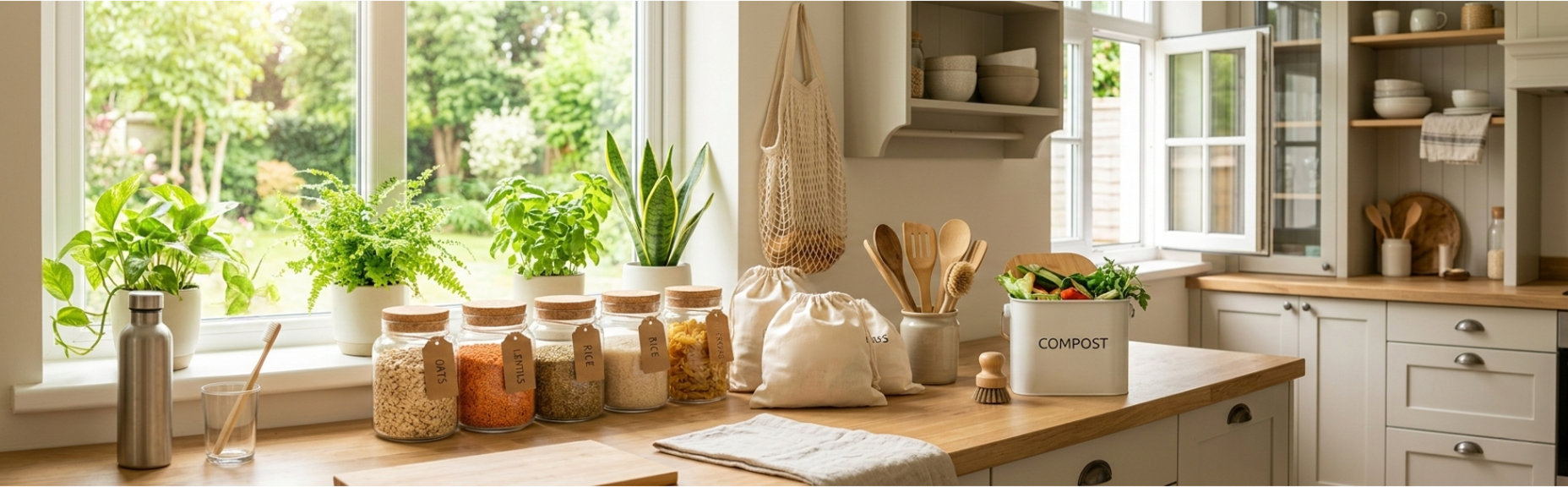
The modern world is built on a “take-make-dispose” model. From the plastic wrap on your morning cucumber to the disposable coffee cup held for ten minutes but destined to last centuries in a landfill, waste has become the invisible background noise of our lives. However, a growing global movement is shifting the narrative. Zero waste living is no longer a fringe lifestyle for those living “off the grid”; it is a practical, intentional framework for anyone looking to reduce their environmental footprint, improve their personal health, and reclaim their space from clutter.
Adopting a zero waste living philosophy is one of the most impactful ways an individual can combat the global waste crisis. When we throw something “away,” it doesn’t actually disappear. It ends up in landfills where it off-gasses methane—a potent greenhouse gas—or trickles into our oceans, disrupting fragile ecosystems. Beyond the environmental stakes, this lifestyle fosters a deeper connection to the things we own. By prioritizing quality over quantity and durability over convenience, we often find ourselves saving significant amounts of money and reducing our exposure to the microplastics and chemicals prevalent in single-use packaging.
In this comprehensive guide, we will break down the barriers to entry for sustainability. You will learn the core principles of the “5 Rs,” discover how to conduct a personal waste audit, and find room-by-room swaps for your kitchen and bathroom. Whether you are a minimalist at heart or just someone tired of taking out a heavy trash bag every evening, these beginner-friendly tips will provide a clear roadmap toward a more sustainable, intentional future.
Understanding Zero Waste Living
What is Zero Waste Living?
At its core, zero waste living is a goal that is ethical, economical, and visionary, designed to guide people in changing their lifestyles and practices to emulate sustainable natural cycles, where all discarded materials are designed to become resources for others to use. It is less about a literal “zero” and more about the journey toward sending nothing to a landfill or incinerator.
The movement is anchored by five guiding principles, often referred to as the 5 Rs, popularized by Bea Johnson:
- Refuse: Saying no to what you do not need (freebies, straws, junk mail).
- Reduce: Downsizing what you do need to the essentials.
- Reuse: Switching from disposables to high-quality reusables.
- Recycle: Processing what you cannot refuse, reduce, or reuse.
- Rot: Composting the rest to return nutrients to the earth.
A common misconception is that zero waste is an “all-or-nothing” game. Many beginners feel intimidated by the “trash jar”—the idea that a year’s worth of waste should fit in a small mason jar. In reality, zero waste is about progress, not perfection. You don’t need to be perfect; we need millions of people doing it imperfectly. Another myth is that it’s expensive. While some “aesthetic” sustainable products have a high upfront cost, the true essence of the movement is buying less, which is inherently budget-friendly.
Benefits of Zero Waste Living
The ripple effects of reducing your waste are profound. Environmentally, you are directly lowering the demand for virgin plastic production, which is a major driver of fossil fuel extraction. You are also conserving the massive amounts of water and energy required to manufacture and transport disposable goods.
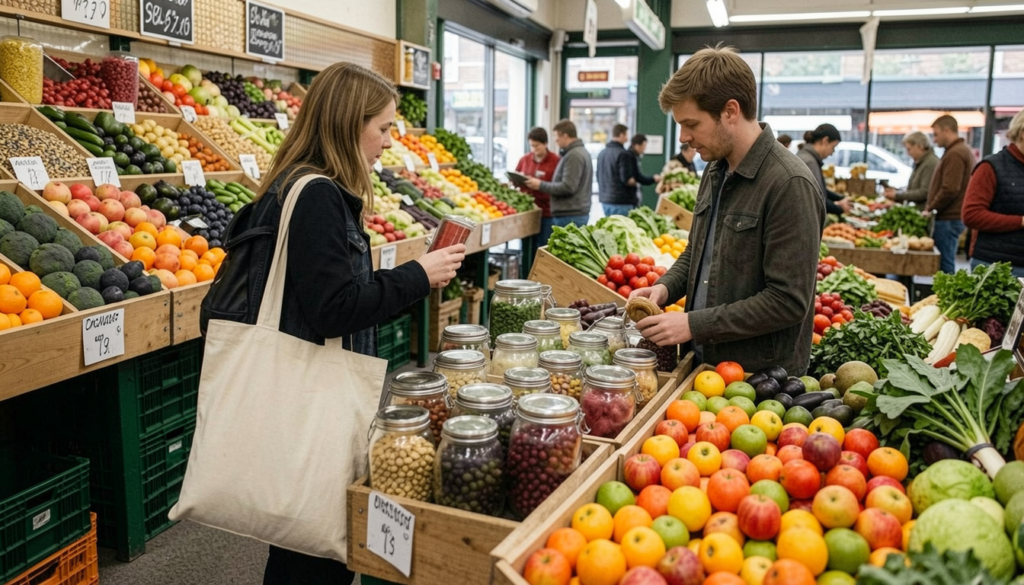
On a personal level, the benefits are immediate. By refusing single-use items and buying in bulk, most households see a noticeable drop in monthly expenses. Furthermore, a zero-waste home is often a healthier one; you trade processed foods in plastic for whole foods and swap synthetic chemical cleaners for natural, non-toxic alternatives. Locally, your choices inspire others. When you bring a reusable bag to a market or request “no straw” at a cafe, you signal to businesses that there is a demand for sustainable practices, eventually shifting the entire community toward a circular economy.
Start Small: The 5 Rs Approach
The best way to begin is by mastering the 5 Rs in order.
- Refuse: This is your first line of defense. It costs zero dollars to say “no thank you” to a plastic bag or a promotional flyer.
- Reduce: Look at your belongings. Do you really need five different types of surface cleaners? Reducing your consumption simplifies your life and automatically lowers your waste output.
- Reuse: This is where the fun begins. Before buying something new, see if you can repurpose what you have. An old glass pasta jar becomes a perfect container for bulk grains.
- Recycle: Treat recycling as a last resort for non-organic items. Ensure you understand your local guidelines to avoid “wish-cycling,” which can contaminate entire batches of recyclable material.
- Rot: Food scraps are not “trash.” When sent to a landfill, they can’t decompose properly. By composting (rotting), you turn waste into “black gold” for soil.
Assess Your Current Waste Habits
To know where you’re going, you have to know where you are. A waste audit is the most effective tool for a beginner. For one week, look at what you are actually throwing away.
- Are your bins filled with food scraps? (Focus on composting).
- Is it mostly plastic packaging from snacks? (Focus on bulk buying).
- Is it paper mail? (Focus on unsubscribing). Tracking these habits over time allows you to tackle the “low-hanging fruit” first, giving you small wins that build the momentum needed for long-term lifestyle changes.
Kitchen and Food Habits
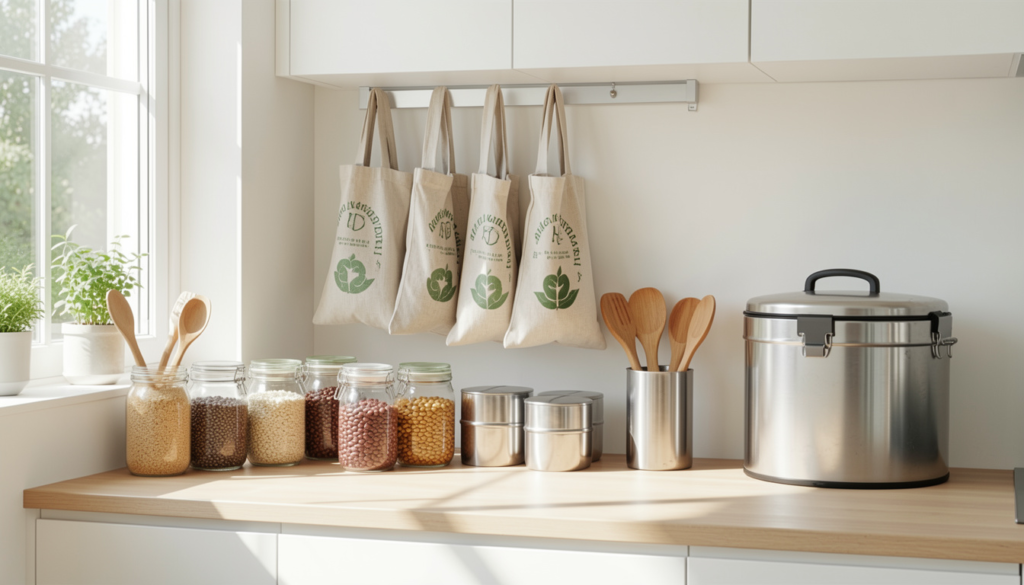
The kitchen is typically the “waste capital” of the home. Start by buying in bulk. Many stores allow you to bring your own jars or cloth bags for staples like rice, lentils, and coffee. This eliminates the need for individual plastic packaging.
- Storage: Swap plastic cling wrap for beeswax wraps or silicone lids.
- Composting: Keep a small bin on your counter for fruit peels and coffee grounds. Even if you don’t have a garden, many cities now offer organic waste pickup or community garden drop-offs.
Bathroom and Personal Care
Traditional bathrooms are filled with “hidden” waste.
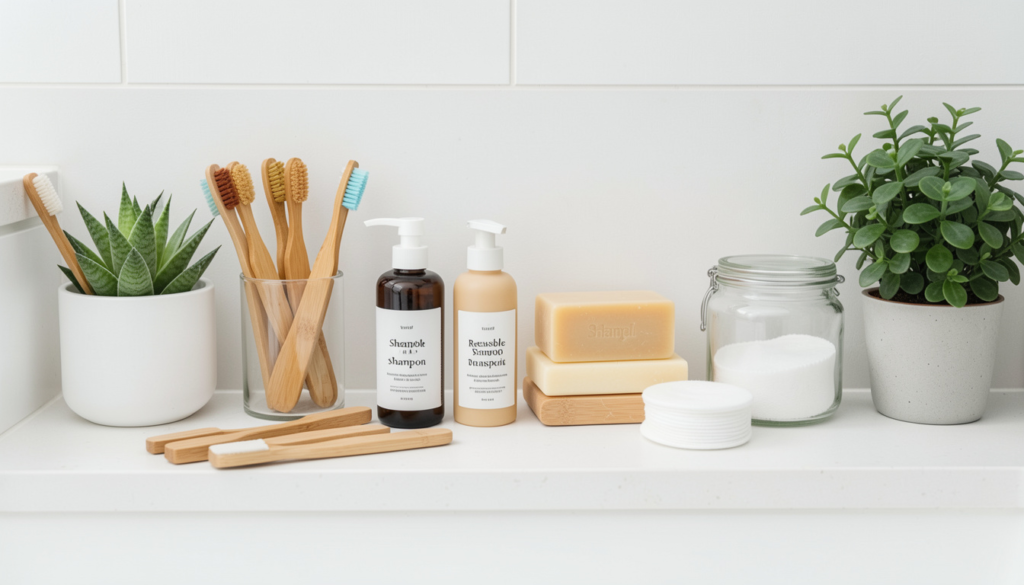
- The Big Swaps: Replace plastic bottled shampoo with shampoo bars and liquid soap with traditional bar soap. These often come in compostable paper or no packaging at all.
- Daily Routine: Switch to a bamboo toothbrush and use washable cotton rounds instead of disposable makeup wipes.
- DIY: You can create effective body scrubs using just coffee grounds and coconut oil, or a simple toner using diluted apple cider vinegar.
Cleaning and Household Products
Most commercial cleaners are mostly water sold in a plastic bottle. You can clean nearly 90% of your home using vinegar, baking soda, and lemon. These can be bought in large quantities or glass bottles. Use old t-shirts cut into rags instead of paper towels to significantly reduce your paper waste.
Sustainable Travel Habits
Waste often spikes when we are away from home. Being prepared is key. Always carry a “zero waste kit” containing a reusable water bottle, a travel mug for coffee, and a set of bamboo or metal utensils. When exploring new cities, prioritize public transport, walking, or biking. Not only is this better for the planet, but it also allows you to experience the local environment more intimately.
Shopping and Lifestyle Choices
When you must buy something new, vote with your wallet. Support brands that offer plastic-free shipping or have “take-back” programs for their products. Embrace a minimalist mindset: ask yourself if the item is a “need” or a “want.” Thrift stores and second-hand platforms are goldmines for clothing and home goods, preventing perfectly good items from entering the waste stream while giving them a second life.
Overcoming Social Pressure and Convenience
It can be awkward to be the only person at a party refusing a plastic cup. The key is gentle education. Instead of lecturing, simply explain that you’re trying to reduce your plastic use. Most people are curious rather than judgmental. When convenience tempts you, remember that “convenience” usually has a hidden cost paid by the environment.
Dealing with Limited Access
Not everyone lives near a “zero waste” specialty shop. If you have limited access, focus on the “Reduce” and “Refuse” aspects. Look for items packaged in glass or aluminum (which are more infinitely recyclable than plastic) at your local grocery store. Use online resources to find sustainable cooperatives that ship plastic-free.
Zero Waste Lifestyle Beyond Home
Once you’ve mastered your own bins, look outward. Join local clothing swaps or tool-sharing libraries. Advocacy is also a powerful tool—write to your favorite brands and ask them to switch to sustainable packaging. Use technology to your advantage; apps like Too Good To Go help reduce food waste from local restaurants, while others track your carbon footprint.
Conclusion
Transitioning to a zero waste living lifestyle is a marathon, not a sprint. The goal isn’t to be perfect; it’s to be mindful. By starting small—perhaps with just a reusable water bottle or a compost bin—you are contributing to a massive global shift. Consistency is the secret ingredient. Every time you refuse a straw or choose a bar of soap over a plastic bottle, you are casting a vote for the kind of world you want to live in. Stay curious, stay patient, and remember: small changes, when multiplied by millions, can transform the planet.