
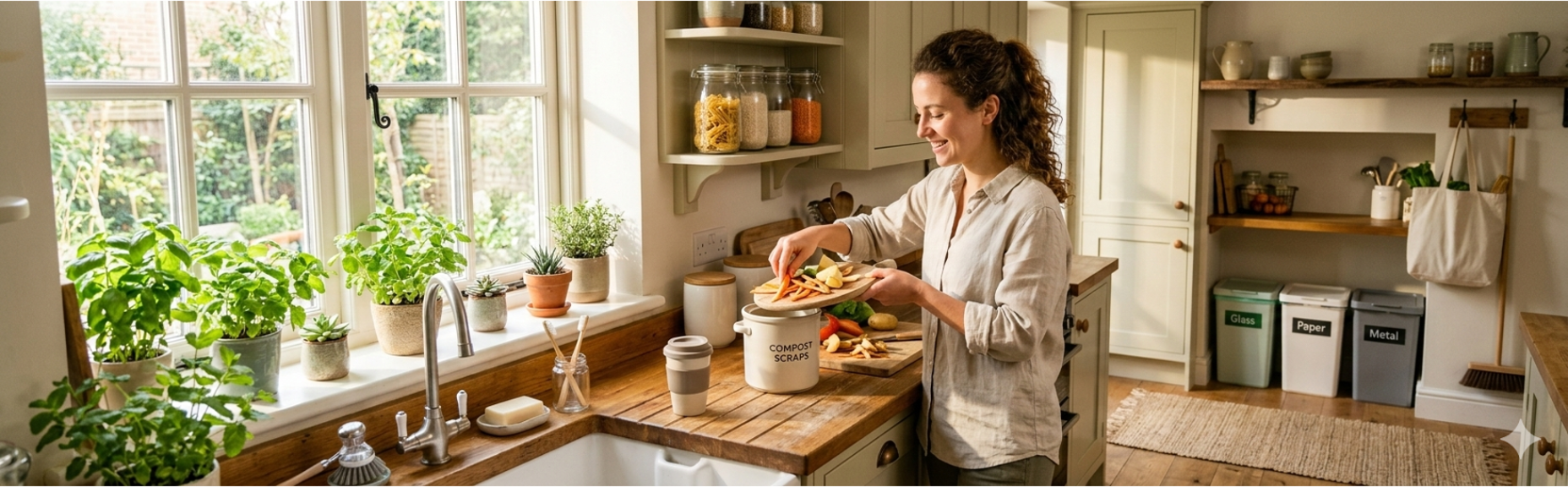
In the modern age, the sheer scale of global environmental challenges—from the shrinking of majestic glaciers to the depletion of vast tropical jungles—can often leave us feeling paralyzed. We watch as climate patterns shift and natural habitats face unprecedented strain, wondering if our individual actions could possibly turn the tide. However, history and science both suggest that the most profound revolutions often begin not with a single massive explosion of change, but with the quiet, persistent accumulation of small, intentional choices. Our daily lives are composed of thousands of micro-decisions: the way we brush our teeth, how we travel to work, and what we choose to put on our dinner plates. When viewed in isolation, these acts seem insignificant. When multiplied by millions of people over 365 days a year, they become a tectonic force for environmental restoration.
Adopting an eco-friendly routine is about more than just “being green”; it is about aligning our personal rhythms with the natural world’s boundaries. It is a commitment to stewardship that honors the earth while simultaneously improving our own quality of life. The beauty of a routine-based approach is that it removes the friction of decision-making. By turning sustainable actions into automated habits, we reduce our “decision fatigue” and ensure that conservation becomes a seamless part of our identity. Furthermore, the benefits of such a lifestyle are immediate and tangible. Beyond the obvious reduction in your carbon footprint, a sustainable routine often leads to significant financial savings, a clutter-free living environment, and a deeper sense of connection to the local ecosystem.
The transition to a sustainable life doesn’t require an “all-or-nothing” mentality. In fact, perfectionism is often the enemy of progress. The goal is to be “imperfectly sustainable”—to make better choices today than we did yesterday. Whether you are a busy professional in a bustling city like Jaipur or someone living a quieter life in the countryside, the opportunities for impact are everywhere. By breaking down the day into manageable segments, we can identify specific areas where traditional habits can be swapped for eco-conscious alternatives. In the following guide, we will walk through a complete 24-hour cycle, exploring how small, actionable steps can transform your standard day into a powerful statement of environmental advocacy.
Morning Habits for an Eco-Friendly Routine
The way you begin your day sets the tone for your entire relationship with the environment. Most of us wake up in a rush, operating on autopilot, which often leads to mindless consumption. By introducing intentionality into your first waking hour, you can drastically reduce your morning resource drain. Instead of reaching for the light switch immediately, try to harness the power of natural light. If your home allows for it, opening the curtains to let in the sunrise not only saves electricity but also helps regulate your circadian rhythm, providing a more natural energy boost than any artificial bulb could offer.
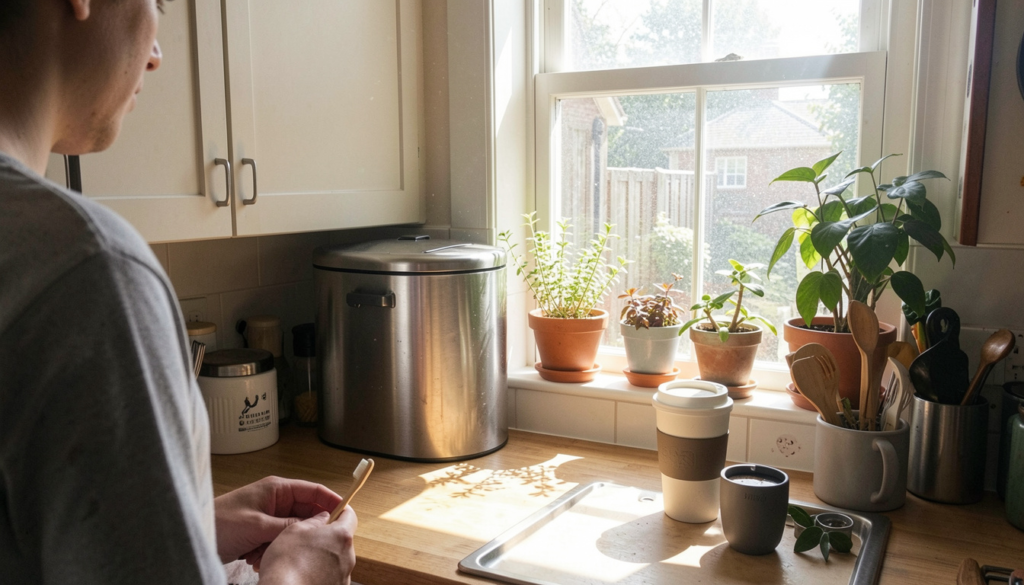
When it’s time for breakfast, your choices have a direct line to agricultural sustainability. If you’re a coffee or tea drinker, the “reusable” rule is paramount. Avoid single-use pods or filtered bags that contain hidden plastics. Instead, opt for a French press or a stainless steel pour-over with loose-leaf tea or locally roasted beans. If you’re heading out the door, always bring your own insulated travel mug; this simple habit prevents hundreds of non-recyclable cups from entering landfills each year. For the meal itself, focus on low-impact, whole foods. A bowl of oats with seasonal fruit or a slice of local sourdough has a significantly lower carbon footprint than processed cereals or imported breakfast meats.
Finally, consider the “water waste” that happens before you’ve even left the house. Many of us leave the tap running while waiting for the water to warm up or while rinsing a bowl. By placing a small jug in the sink to catch that initial cold water, you can save several liters a day to water your houseplants later. These quick, actionable tips—relying on natural light, choosing reusable vessels, and being mindful of the tap—ensure that your day begins with a contribution to the planet rather than a withdrawal from its reserves.
Sustainable Hygiene Practices
The bathroom is often a hidden hotspot for plastic waste and chemical runoff. Traditional hygiene products—from plastic toothbrushes that take 500 years to decompose to shampoos laden with synthetic microplastics—pose a quiet but persistent threat to our waterways. Transitioning to sustainable hygiene is one of the most effective ways to “clean up” your daily impact. The first and easiest swap is the bamboo toothbrush. Bamboo is a rapidly renewable resource that is fully compostable, whereas its plastic counterpart will exist long after we are gone.
Beyond the tools we use, the substances we apply to our bodies matter immensely. Look for “naked” or zero-waste products, such as shampoo bars, solid conditioners, and bar soaps. These eliminate the need for plastic bottles entirely and are often made with natural, biodegradable ingredients that won’t harm aquatic life when they wash down the drain. If you prefer liquid products, seek out local “refill stations” where you can bring your own glass or aluminum dispensers to top up on essentials. This “circular” approach to hygiene drastically reduces the volume of household packaging waste.
Conservation in the bathroom also extends to how we use water. A standard shower can use up to 10 liters of water per minute. By shortening your shower by just two minutes and installing a high-efficiency, low-flow showerhead, you can save thousands of liters annually. Furthermore, always remember to turn the tap off while brushing your teeth; leaving it running is a habit that wastes roughly 6 liters of water every single time. By choosing biodegradable products and being disciplined with the tap, you ensure your personal cleanliness supports the health of the broader environment.
Energy-Conscious Morning Activities
In the quiet hours of the morning, our homes are often humming with the “ghost energy” of multiple appliances. From the toaster and the kettle to the hair dryer and the coffee maker, these devices draw significant power, often more than necessary. An energy-conscious morning is about maximizing the output of these tools while minimizing their duration. For instance, when boiling water for your morning beverage, only fill the kettle with the exact amount of water you need. Boiling a full kettle for one cup of tea is a common waste of electricity that adds up over time.
Additionally, be mindful of “vampire power”—the energy used by appliances that are plugged in but not in use. Morning gadgets like chargers, blenders, and even some coffee machines continue to draw a small amount of current even when switched off. Using a power strip with a master switch allows you to cut the power to all your morning appliances with one click before you leave the house. If you use a hair dryer or electric shaver, try to use them efficiently and unplug them immediately after use.
Efficiency isn’t just about electricity; it’s about time management. Planning your morning so that you can complete tasks in a logical flow prevents you from having to restart appliances or keep lights on in multiple rooms. By condensing your high-energy activities—like cooking and grooming—into a focused window, you reduce the overall “on-time” of your home’s systems. This disciplined approach to morning energy use not only lowers your utility bills but also reduces the localized peak demand on the energy grid, contributing to a more stable and sustainable power infrastructure.
Eco-Friendly Commute and Transportation
The journey from your home to your workplace or school is often the most carbon-intensive part of your day. Traditional internal combustion engine vehicles emit a cocktail of greenhouse gases and particulate matter that degrade air quality and accelerate global warming. Rethinking your commute is a pillar of any robust eco-friendly routine. If you live within a few kilometers of your destination, active transportation—walking or cycling—is the gold standard. It produces zero emissions, provides excellent cardiovascular exercise, and allows you to experience your local environment at a human pace rather than through a windshield.
For longer distances, public transport is the most efficient choice. A single bus or train can take dozens of cars off the road, drastically reducing congestion and per-capita emissions. If public transit isn’t a viable option in your area, consider carpooling with colleagues or neighbors. Sharing a ride even two days a week cuts your commuting footprint in half. For those who must drive, the shift toward electric scooters, e-bikes, or hybrid vehicles offers a way to maintain mobility while significantly lowering tailpipe pollution. E-bikes, in particular, are a revolutionary “middle ground,” allowing you to cover significant distances and hills without the sweat or the carbon cost of a car.
Beyond the mode of transport, efficiency in planning is key. “Trip chaining”—the practice of grouping all your errands (grocery shopping, post office, gym) into one single loop—reduces the total kilometers driven and prevents the energy waste of multiple cold starts for your engine. By consciously choosing how and when you move through your city, you contribute to a future of cleaner air and quieter, more livable urban spaces.
Sustainable Eating Habits
What we eat is perhaps our most direct connection to the planet’s health. The global food system is a massive driver of deforestation, water consumption, and methane emissions. Adopting sustainable eating habits doesn’t mean you have to be perfect; it means being more aware of the “food miles” and resources behind your meals. The most impactful change you can make is reducing your meat and dairy consumption. Animal agriculture requires exponentially more land and water than plant-based crops. By embracing “Meatless Mondays” or shifting toward a plant-forward diet, you significantly lower your personal ecological pressure.
Choosing local and seasonal produce is another critical step. Food that is grown nearby doesn’t have to be flown or shipped across oceans, which saves massive amounts of aviation and shipping fuel. Shopping at local farmers’ markets also supports small-scale sustainable agriculture and ensures you’re eating nutrient-dense food that hasn’t spent weeks in cold storage. When you do shop at traditional supermarkets, look for organic certifications, which ensure the food was grown without synthetic pesticides that can poison local soil and water.

Reducing food waste is the final piece of the puzzle. Roughly one-third of all food produced globally is wasted, often ending up in landfills where it generates methane. Practice “conscious cooking” by planning your meals for the week and only buying what you know you will eat. Learn to love leftovers and understand that “best before” dates are often quality suggestions rather than safety hard-lines. By valuing every ingredient and choosing plants over processed goods, your diet becomes a daily act of environmental restoration.
Eco-Friendly Work Habits
Whether you work in a corporate office or a home workspace, your professional habits have a cumulative impact on resource consumption. The modern office is historically associated with high paper use and “always-on” electronics. To modernize your work life for sustainability, start with a “digital-first” mentality. Minimize paper use by utilizing cloud-based note-taking apps and digital document signing. If you must print, always use both sides of the page and opt for recycled-content paper. This not only saves trees but also reduces the energy required for paper manufacturing and transport.
Energy management in the workspace is equally vital. Laptops are significantly more energy-efficient than desktop computers. Ensure your devices are set to “power-save” mode and that you completely shut down your workstation at the end of the day rather than leaving it on standby. In an office setting, avoid the temptation of disposable items like plastic water bottles, single-use stirrers, or paper coffee cups. Keep a set of “real” dishes and cutlery at your desk to use during lunch breaks.
Beyond individual actions, you can be a catalyst for change within your team. Encourage your workplace to adopt shared recycling bins, implement a “lights-off” policy for empty meeting rooms, or even suggest a small office plant-growing project. Indoor plants improve air quality and morale, making the workspace feel more connected to nature. By integrating these practices into your professional life, you demonstrate that productivity and sustainability are not mutually exclusive, but are in fact two sides of the same efficient coin.
Afternoon and Evening Energy Savings
As the sun begins to set and the temperature drops, our homes typically see a surge in energy demand. This “peak hour” is when the grid is under the most stress. Managing your afternoon and evening energy use is a sophisticated way to support a green grid. Start by utilizing natural ventilation; instead of immediately turning on the air conditioning or heating, try opening windows to create a cross-breeze or wearing a cozy sweater. This “passive” temperature control is entirely free and uses zero electricity.
In the kitchen, cooking can be a high-energy activity. To cook sustainably, match your pot size to the burner size to prevent heat loss and always use lids to trap heat and speed up cooking times. If you’re using the oven, try to cook multiple items at once to maximize the energy used. Small appliances like air fryers or microwaves are often much more energy-efficient than a full-sized oven for smaller meals. Once the sun goes down, switch to “task lighting”—using a small lamp for reading rather than lighting an entire room—and ensure all your bulbs are high-efficiency LEDs.
Smart home technology can also play a role here. Smart plugs and programmable thermostats can automatically lower the heat or turn off lights during hours when they aren’t needed. By being mindful of the “invisible” energy used by televisions, gaming consoles, and sound systems, and ensuring they are fully powered down when not in use, you can significantly trim your evening carbon footprint. These habits ensure that your home remains a place of comfort without becoming a place of waste.
Sustainable Recreation and Hobbies
Our leisure time offers a unique opportunity to reconnect with the natural world and practice sustainability in a low-stress environment. Many modern hobbies involve high levels of consumption or single-use plastics—think of the plastic packaging in craft kits or the energy used in high-end gaming. Shifting toward eco-conscious recreation allows you to unwind while benefiting the planet. Outdoor activities like hiking, birdwatching, or simply walking in a local park are “low-impact” hobbies that foster a deep appreciation for biodiversity and the beauty of our canyons and forests.
If you prefer indoor activities, consider DIY projects that focus on upcycling. Turning old glass jars into spice containers or repairing a piece of vintage clothing are creative ways to spend time that keep materials out of the trash. Gardening is perhaps the ultimate sustainable hobby. Even a few pots of herbs on a balcony can provide fresh, plastic-free ingredients for your meals and provide a small oasis for local pollinators. Gardening has also been scientifically proven to reduce stress and improve mental well-being, proving that nature gives back what we put into it.

During leisure time, remain vigilant about single-use plastics. Whether you’re going for a picnic or a gym session, always pack your own reusable water bottle and snacks in washable containers. By choosing activities that celebrate the earth rather than exploit its resources, you ensure that your “down-time” contributes to your overall eco-friendly routine, making sustainability a joyful part of your life rather than a chore.
Night-Time Eco-Friendly Practices
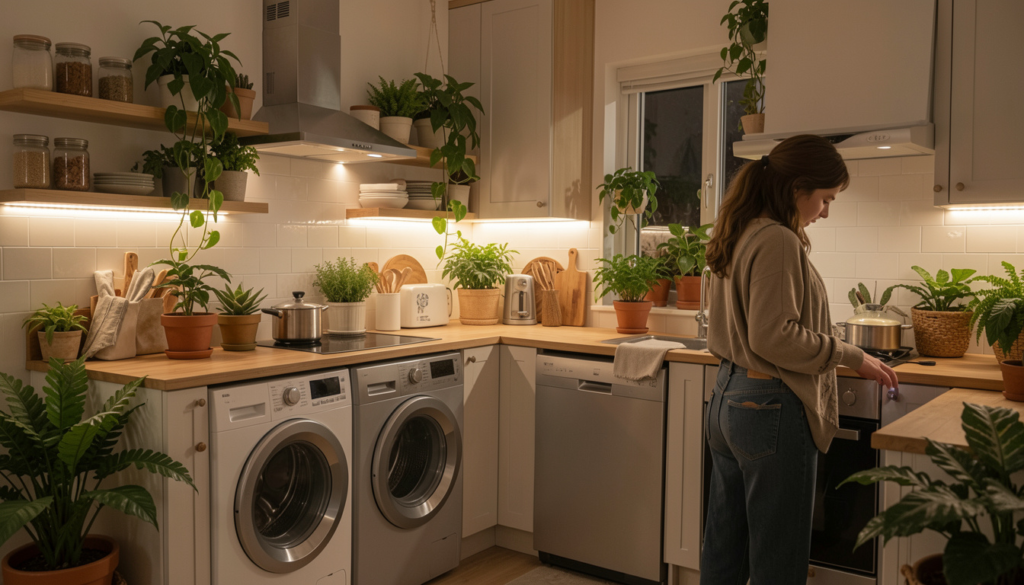
The final hours of the day are an important time to “close the loop” on your daily resource use and prepare for a sustainable tomorrow. Before heading to bed, do a quick “energy sweep” of your home. Ensure all non-essential lights are off, unplug chargers that have finished their job, and check that all taps are tightly closed. If you use a dishwasher or washing machine, consider setting them to run on a delay timer so they operate during “off-peak” energy hours (usually late at night), which is often cheaper and better for the grid.
Planning for the next day is a powerful way to prevent “convenience waste.” Spend five minutes packing your reusable lunch containers, filling your water bottle, and setting out your shopping bags by the door. This prevents the “emergency” purchase of a plastic-wrapped sandwich or a plastic grocery bag because you were in a rush the next morning. For your relaxation routine, consider low-energy activities like reading a physical book or a digital e-reader with the brightness turned down, rather than scrolling through a high-energy smartphone or watching television.
Finally, consider the “climate” of your sleep. Using natural fiber bedding like organic cotton or linen helps regulate body temperature more effectively than synthetic polyesters, potentially allowing you to keep the thermostat a few degrees lower during the night. By ending your day with these quiet acts of mindfulness, you ensure that even your hours of rest are aligned with your environmental values. You can go to sleep knowing that your 24-hour cycle has been a deliberate contribution to a healthier planet.

Conclusion
Building an eco-friendly routine is not a project that requires immediate perfection; it is a lifestyle that thrives on consistency and consciousness. As we have explored, from the moment we wake up in the natural morning light to the final energy sweep before bed, every hour of the day presents an opportunity to make a better choice. The cumulative impact of these “small steps”—choosing a bamboo toothbrush, carpooling to work, or eating a plant-based lunch—is profound. When these actions become habits, they cease to be “extra work” and instead become the foundation of a modern, responsible, and fulfilling life.
We must remember that the environment is not something “out there” to be saved; it is the air we breathe, the water we drink, and the soil that feeds us. By protecting the planet through our daily routines, we are ultimately protecting our own future and the magnificent landscapes we love to explore. Start today by picking just two or three of these habits. Once they feel natural, add more. Small changes, when practiced by many, lead to the big impact our world so desperately needs.
Quick Wins for an Eco-Friendly Routine
- Morning: Switch to natural light and use a reusable coffee mug.
- Hygiene: Swap to a bamboo toothbrush and zero-waste shampoo bars.
- Energy: Use the “exact-amount” rule for boiling water and unplug “vampire” devices.
- Commute: Walk or cycle for short trips; use public transit or carpool for longer ones.
- Food: Embrace Meatless Mondays and buy local, seasonal produce.
- Work: Go digital with notes and use “real” dishes for office lunches.
- Afternoon: Use natural ventilation and task lighting instead of overhead bulbs.
- Recreation: Choose low-impact outdoor hobbies and avoid single-use plastics during leisure.
- Nighttime: Do an energy sweep and prep your reusable kit for the next morning.