
The convenience of the modern age has come at a staggering environmental cost. Since the mass production of plastics began in the mid-20th century, we have generated more than 8.3 billion metric tons of the material. To put that into perspective, that is the weight of roughly 800,000 Eiffel Towers. The most harrowing reality of this statistic is that nearly every gram of that plastic—unless it has been incinerated—still exists on this planet in some form. From the deepest trenches of the Mariana Trench to the pristine, snow-capped peaks of the Himalayas, plastic pollution has evolved from a localized litter problem into a global biological threat.
We are currently living in the “Plasticene” epoch. Unlike organic waste, plastic doesn’t “go away”; it simply fragments. Through the action of UV light and physical abrasion, large debris breaks down into microplastics—particles smaller than five millimeters—which have now been detected in human blood, lung tissue, and even the placentas of unborn babies. The “disposable” culture we have cultivated relies on a material designed to last for eternity, used for a few fleeting minutes of convenience. This misalignment between material durability and usage duration is the core crisis of our generation.
However, the scale of this catastrophe does not mean we are powerless. While systemic change from multinational corporations and international governments is vital, the shift toward a sustainable future is often ignited by the “power of the purse.” When thousands of individuals consciously decide to change their daily consumption habits, they shift market demand, influence corporate policy, and immediately reduce the flow of waste into our oceans. Adopting plastic-free solutions is not about achieving an impossible standard of overnight perfection. It is about intentionality. It is about recognizing that we are not just consumers, but stewards of the only home we have.
In this extensive guide, we will explore seven actionable, high-impact plastic-free solutions that you can integrate into your life. These steps are designed to be practical, focusing on the areas where plastic is most pervasive—from your grocery cart and kitchen pantry to your bathroom vanity and community involvement. By implementing these strategies, you are doing more than just cleaning up your own home; you are contributing to a global groundswell that prioritizes the health of our planet over the convenience of a single-use moment.
Switch to Reusable Bags
The plastic bag is perhaps the most iconic symbol of our “throwaway” culture. It is estimated that humans use five trillion plastic bags per year. On average, a plastic bag is used for only 12 minutes, yet it can take up to 500 years to decompose in a landfill. Because they are lightweight and aerodynamic, these bags frequently escape waste management systems, blowing into trees, clogging storm drains, and eventually finding their way into the gut of marine animals who mistake them for food.
To transition away from this, we must look at the durability and lifecycle of our carrying tools. Cotton and canvas totes are the gold standard for longevity. A high-quality canvas bag can be washed and reused for a decade, potentially replacing thousands of thin-film plastic bags. Jute bags, made from natural vegetable fibers, offer an even more robust alternative; they are incredibly strong, carbon-neutral, and 100% biodegradable at the end of their life. For those who prefer a more compact option, foldable bags made from recycled PET or high-density fabrics can live on a keychain, ensuring you are never caught unprepared at the checkout counter.
The real challenge, however, is not the availability of these bags—it is the psychology of habit. Many people own reusable bags but forget them in the trunk of their car or at home. To overcome this, use “visual triggers.” Hang your bags on the front doorknob so you see them as you leave. If you do reach the checkout and realize you’ve forgotten them, don’t buy more plastic. Instead, ask the cashier for a cardboard box from the back, or simply wheel your unbagged groceries to your car and pack them into the totes waiting in your trunk. This physical “inconvenience” acts as a powerful mnemonic device, ensuring you remember them the next time.
Use Refillable Water Bottles and Containers
The beverage industry is a primary driver of the global plastic crisis. We currently buy roughly one million plastic bottles every single minute. Despite decades of marketing suggesting that recycling is a closed-loop solution, the reality is far grimmer: only about 9% of all plastic ever made has been recycled. The rest is either burned, releasing toxic chemicals, or left to sit in landfills where it leaches additives into the groundwater. Furthermore, the carbon footprint of bottled water is astronomical when you account for the oil used to make the plastic, the energy to pump the water, and the fuel to ship it across continents.
The solution is a return to durable materials like stainless steel and glass. A high-quality stainless steel bottle is nearly indestructible. It is a “buy-it-for-life” item that pays for itself within the first few months of use. From a health perspective, stainless steel and glass are inert, meaning they won’t leach endocrine-disrupting chemicals like BPA or phthalates into your water, especially when exposed to heat.
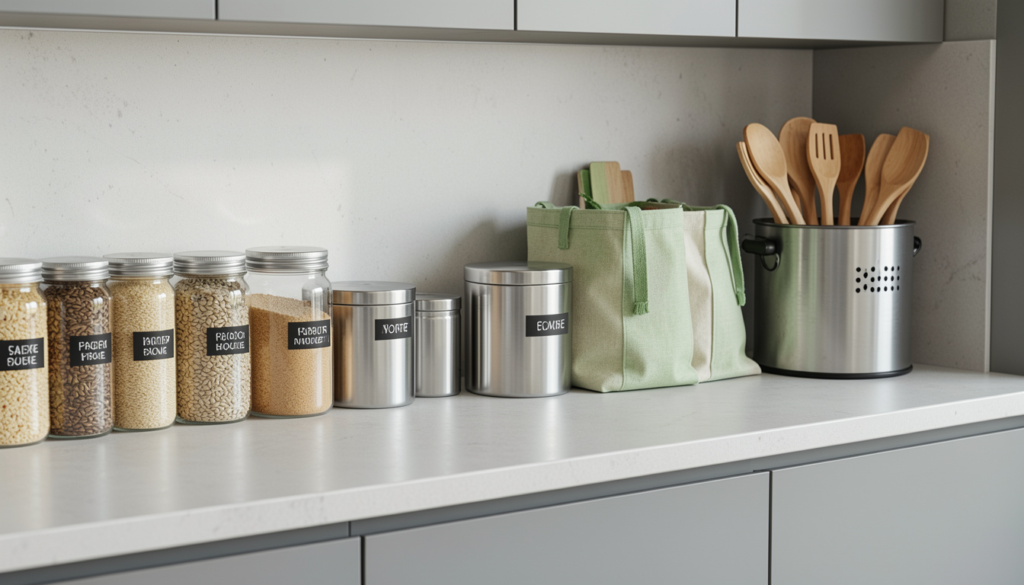
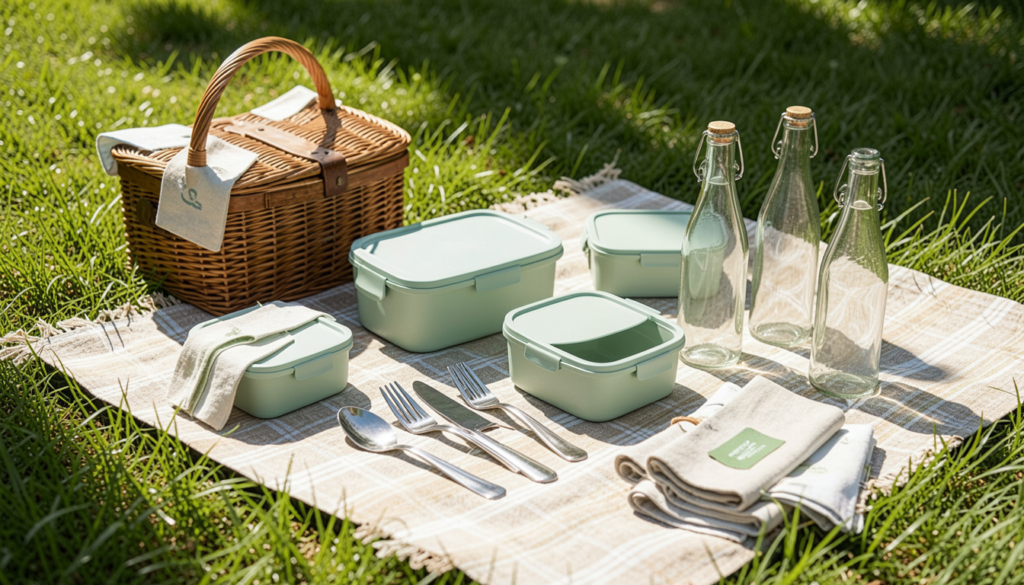
This philosophy extends to food storage as well. The modern kitchen is often cluttered with stained plastic Tupperware. Transitioning to glass or stainless steel containers not only reduces plastic waste but also keeps your food fresher for longer. Glass is non-porous and doesn’t retain odors or stains from last night’s pasta sauce. Many progressive cafes and delis are now encouraging customers to bring their own clean containers for takeout, sometimes even offering a small discount for the reduced packaging overhead. By making this switch, you are eliminating a constant stream of “hidden” plastic—the films, lids, and containers that usually head straight for the bin.
Choose Plastic-Free Packaging
The grocery store is the front line of the plastic war. In the pursuit of shelf-life and hygiene, almost every item is encased in layers of polyethylene. To navigate this, one must adopt a strategy of “unwrapped” shopping. This starts in the produce aisle. Most fruits and vegetables come with their own natural, compostable packaging—skins and peels. There is no biological need for a bunch of bananas to be wrapped in a plastic bag. By choosing “naked” produce and using reusable mesh bags for smaller items like mushrooms or green beans, you can eliminate dozens of bags per trip.
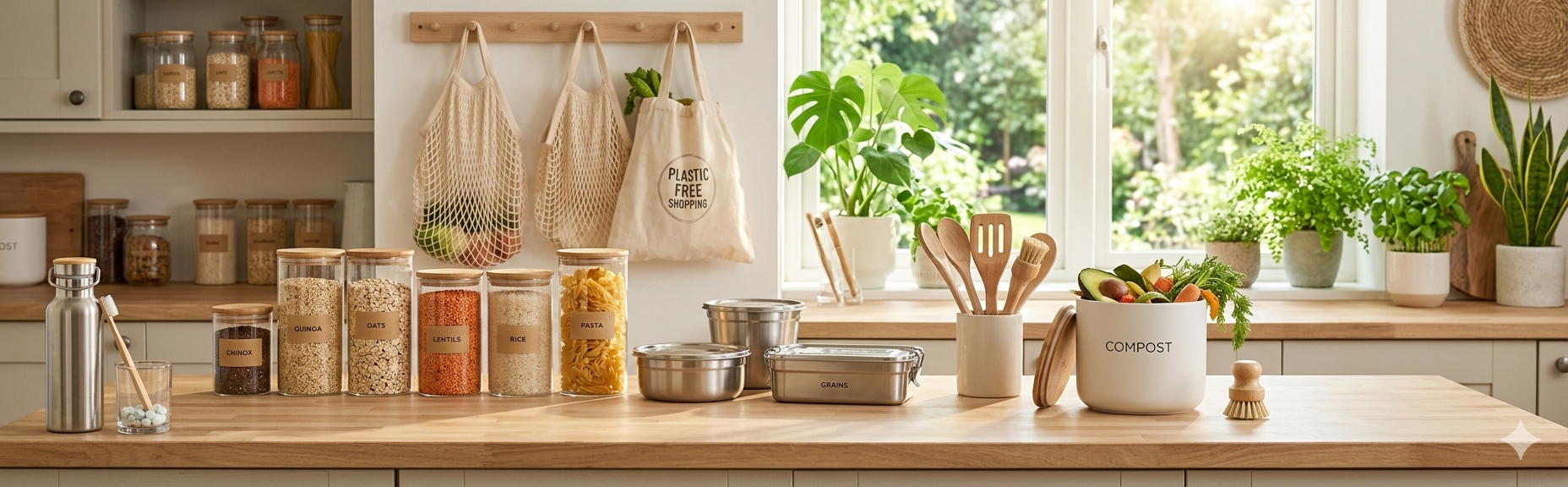
The bulk section is another powerful tool for a plastic-free life. Buying staples like rice, pasta, beans, lentils, nuts, and even spices from bulk bins allows you to fill your own jars or cloth bags. This eliminates the need for the thick, non-recyclable plastic pouches that these items typically come in. Furthermore, bulk buying often allows you to buy exactly the amount you need, which simultaneously reduces food waste.
In households where bulk stores aren’t accessible, the next best step is to prioritize “infinitely recyclable” materials. Aluminum and glass are vastly superior to plastic because they can be recycled over and over again without losing quality. Plastic, by contrast, is usually “downcycled” into lower-quality items like park benches or carpet fibers, which eventually end up in a landfill anyway. Look for milk in glass returnable bottles, soda in aluminum cans, and dry goods in cardboard boxes. Small shifts in how we source our calories can lead to a massive reduction in our household’s plastic footprint.
Adopt Eco-Friendly Personal Care Products
The bathroom is a sanctuary that, unfortunately, generates a massive amount of microplastic and packaging waste. From the plastic microbeads used in exfoliating scrubs (now banned in many countries but still present in some formulations) to the millions of plastic razor handles and toothbrush stems discarded every year, our hygiene routines are remarkably “dirty” for the environment.
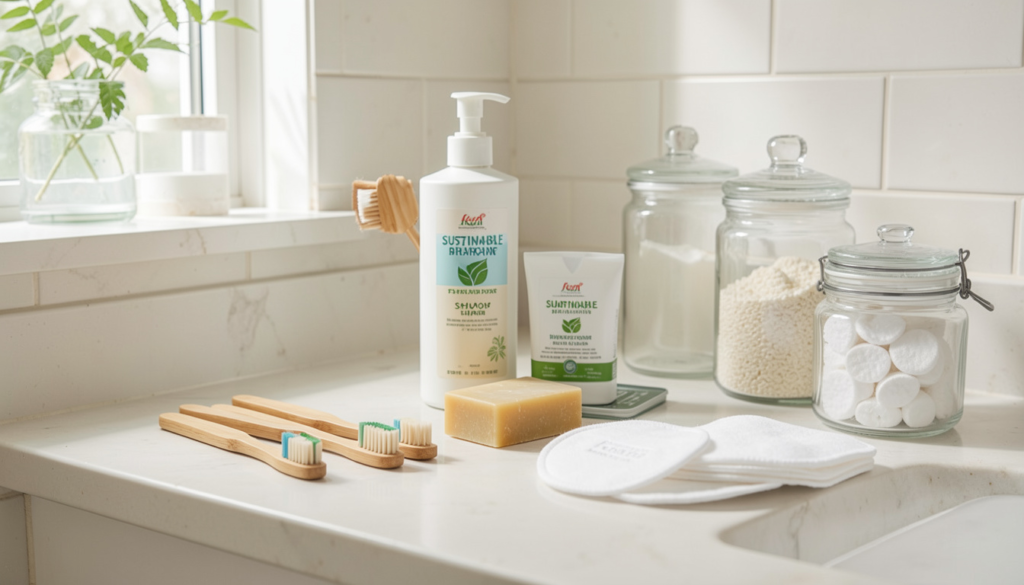
One of the most effective plastic-free solutions in this space is the “Solid State” switch. Traditional liquid shampoos and body washes are roughly 80% water. By switching to shampoo bars, conditioner bars, and bar soaps, you are buying the concentrated active ingredients without the need for a plastic bottle. These bars often come wrapped in simple, compostable paper and last significantly longer than their liquid counterparts.
The safety razor is another essential tool for the sustainable bathroom. Disposable plastic razors are designed to be thrown away after a few uses, and their multi-blade cartridges are a nightmare for recycling facilities. A traditional metal safety razor, however, is a solid piece of engineering that can last a lifetime. You only replace the single stainless steel blade, which costs pennies and is easily recyclable. Pair this with a bamboo toothbrush—where the handle can be composted—and you have successfully eliminated the majority of your bathroom’s plastic output. The shift to eco-friendly personal care isn’t just a win for the planet; it’s a win for your skin, as many of these plastic-free alternatives rely on natural oils and minerals rather than synthetic chemicals and fragrances.
Say No to Single-Use Cutlery and Straws
Small plastics are often the most dangerous because they are the most likely to be missed by waste management and the most likely to be ingested by wildlife. Plastic straws, stirrers, and cutlery are among the top items found during global beach cleanups. Because they are thin and light, they easily blow out of garbage trucks and into the natural environment.
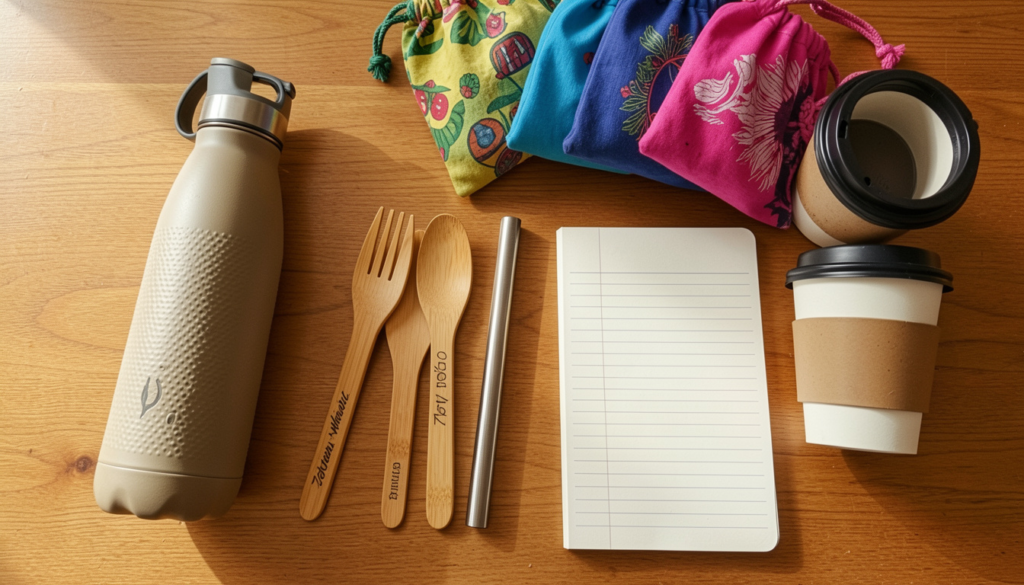
Refusing these items requires a proactive approach. When ordering takeout or dining at a fast-casual restaurant, make it a habit to say, “No plastic cutlery, please,” before they have a chance to put it in the bag. Carrying a small, lightweight travel kit with a bamboo fork, spoon, and a glass or metal straw ensures you are never forced to use a plastic alternative. Many people find that eating with their own utensils is a far more pleasant experience than the flimsy, sharp-edged plastic provided at most food courts.
For events and parties, consider the “party kit” approach. Instead of buying a pack of 50 plastic cups and plates that will be used for two hours and exist for 500 years, invest in a set of inexpensive thrift-store plates or use compostable bamboo plates if reusables are not an option. Straws, while necessary for some with disabilities or for certain medical reasons, should be treated as a tool rather than a default. If you don’t need one, don’t take one. This simple “no” is a powerful rejection of the idea that something should be created, shipped across the world, and discarded in a matter of minutes.
Buy Second-Hand or Upcycled Products
Our current economic model is built on “Planned Obsolescence”—the idea that products should break or become unfashionable quickly so that we buy more. This cycle of constant consumption is fueled by plastic. New electronics, clothes, and home goods arrive encased in polystyrene foam, wrapped in plastic film, and secured with plastic ties.
By choosing to buy second-hand, you are stepping out of this wasteful cycle. Thrift stores, consignment shops, and online marketplaces like eBay or Facebook Marketplace are goldmines for high-quality items that have already had their “packaging debt” paid. Buying a pre-owned cotton sweater or a wooden coffee table doesn’t just save you money; it prevents the demand for new plastic-heavy manufacturing and keeps perfectly functional items out of the landfill.
Upcycling is the creative cousin of second-hand shopping. It involves taking an item that has reached the end of its intended life and giving it a new, often better, purpose. A glass pasta jar can become a beautiful storage container for dry goods; an old ladder can be turned into a rustic bookshelf. Upcycling encourages us to see the “resource” in the “waste.” When we value the materials we already have, we are less likely to fall into the trap of buying cheap, plastic-laden “fast” products that are destined to break. This shift in mindset from “consumer” to “custodian” is the ultimate goal of a sustainable lifestyle.
Participate in Community Initiatives
While individual lifestyle changes are the foundation of a cleaner planet, collective action is the catalyst that drives systemic change. The “multiplier effect” occurs when your personal choices inspire others to do the same, eventually reaching a critical mass that forces businesses and governments to take notice.
Participating in local cleanup drives is one of the most immediate ways to see the impact of plastic pollution. When you spend a Saturday morning picking up bottle caps and plastic film from a local park or beach, you develop a visceral understanding of the scale of the problem. However, the work shouldn’t stop at picking up litter. True community involvement means advocating for better waste management, supporting local “plastic-free” legislation (like bag bans or bottle deposit schemes), and encouraging local businesses to adopt sustainable practices.
Education is your most powerful tool. Host a “zero-waste” dinner party for friends, share your favorite plastic-free solutions on social media, or volunteer to help your workplace or school implement a better recycling and composting program. By normalizing these behaviors, you remove the “fringe” label from sustainability. You show that a plastic-free life is not only possible but also desirable, modern, and rewarding. Collective action creates the cultural shift necessary to move away from a petroleum-based economy and toward a circular one.
Additional Tips and Strategies for a Plastic-Free Life
Achieving a plastic-free life often requires a “toolbox” of digital and physical strategies. One of the best quick wins is the “Waste Audit.” For one week, do not throw anything away without looking at it. At the end of the week, examine your trash. Is it mostly food wrappers? Is it delivery packaging? This data allows you to target your efforts where they will have the most impact.
In the digital age, technology can actually be a great ally for sustainability. Use apps like Litterati to document and map litter, helping researchers identify which brands are the biggest polluters. Apps like Good On You can help you find clothing brands that use natural fibers instead of synthetic plastics like polyester and nylon (which shed microplastics in the wash).
At work or school, the “Office Swap” is highly effective. Replace the stack of plastic cups by the water cooler with a tray of ceramic mugs. Encourage the management to switch to bulk-refillable soap in the restrooms. These small institutional changes can prevent thousands of pieces of plastic from entering the waste stream every year. Remember, the goal is to make the sustainable choice the easiest choice.
Conclusion
The journey toward a plastic-free life is a marathon of mindfulness. It is a process of unlearning decades of “convenience” training and rediscovering the value of durability, quality, and natural materials. By implementing these seven plastic-free solutions, you are doing more than just reducing your trash; you are reclaiming your agency in a world that often feels overwhelmed by environmental crises.
Recap the impact of your choices: every reusable bag you carry prevents a sea turtle from choking; every stainless steel bottle you refill saves a gallon of oil; and every community initiative you join moves the needle toward a cleaner, safer world for the next generation. We don’t need a handful of people doing zero waste perfectly; we need millions of people doing it imperfectly, with heart and persistence. Start small, stay consistent, and remember that the most sustainable product is the one you already own.
7 Quick Plastic-Free Wins at a Glance
- Use reusable bags for every shopping trip, including groceries, hardware, and clothing.
- Refillable water bottles and coffee cups are essential for a plastic-free day on the go.
- Plastic-free packaging means choosing the “naked” produce and the bulk bins whenever possible.
- Eco-friendly personal care products like shampoo bars and bamboo toothbrushes clean you and the planet.
- Reusable cutlery and straws should be kept in your bag or car for spontaneous meals.
- Buy second-hand to bypass the massive amounts of plastic used in new product manufacturing.
- Participate in community initiatives to amplify your individual impact and drive systemic change.