
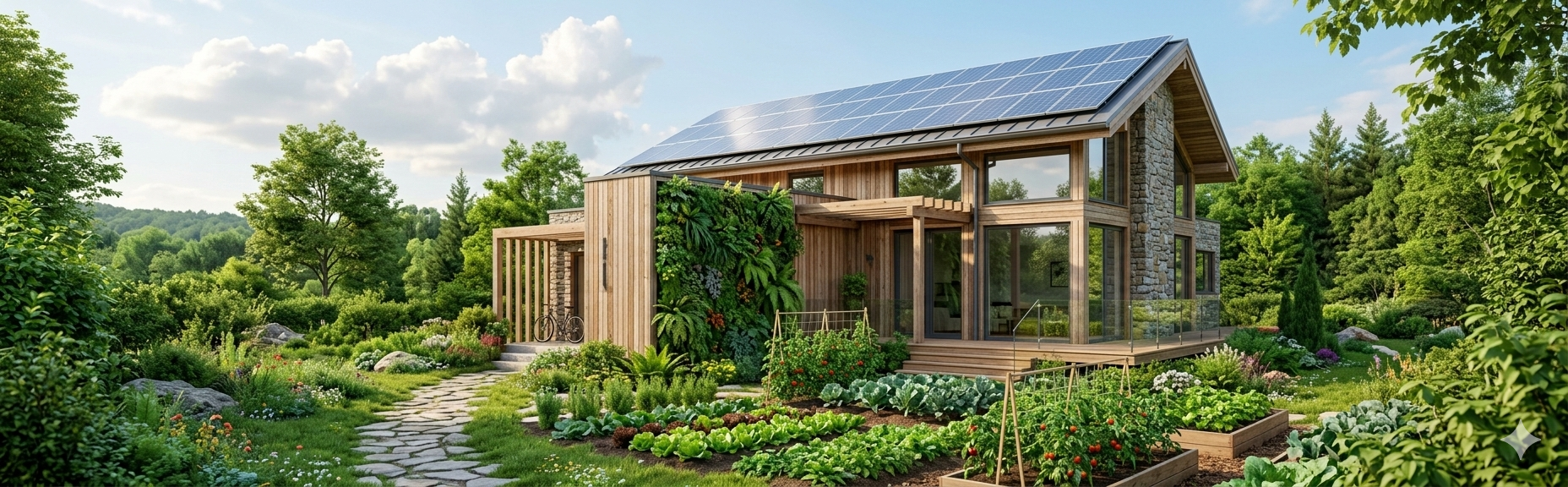
The modern home is more than just a sanctuary; it is a primary touchpoint in our relationship with the environment. As global awareness regarding climate change, resource depletion, and habitat loss reaches a fever pitch, the focus has shifted toward the spaces where we spend the majority of our time. Traditionally, our households have been significant contributors to environmental strain, accounting for a massive percentage of global energy consumption and municipal waste. From the electricity required to light our rooms to the water used in our kitchens, every domestic action carries an ecological price tag. However, this also means that our homes represent the single greatest opportunity for individual impact. By reimagining our living spaces through the lens of ecology, we can turn a source of consumption into a hub of conservation.
Adopting sustainable home ideas is no longer a niche lifestyle choice reserved for those living off the grid; it has become a sophisticated and practical approach to modern homeownership. The transition toward a “green” home is driven by a powerful trio of benefits: environmental stewardship, personal health, and financial resilience. Environmentally, a sustainable home drastically reduces its carbon footprint and minimizes the diversion of waste to landfills. From a health perspective, eco-friendly homes prioritize natural ventilation, non-toxic materials, and superior air quality, creating a safer environment for families. Financially, while some green upgrades require an initial investment, they almost universally lead to significant long-term savings on utility bills and maintenance costs.
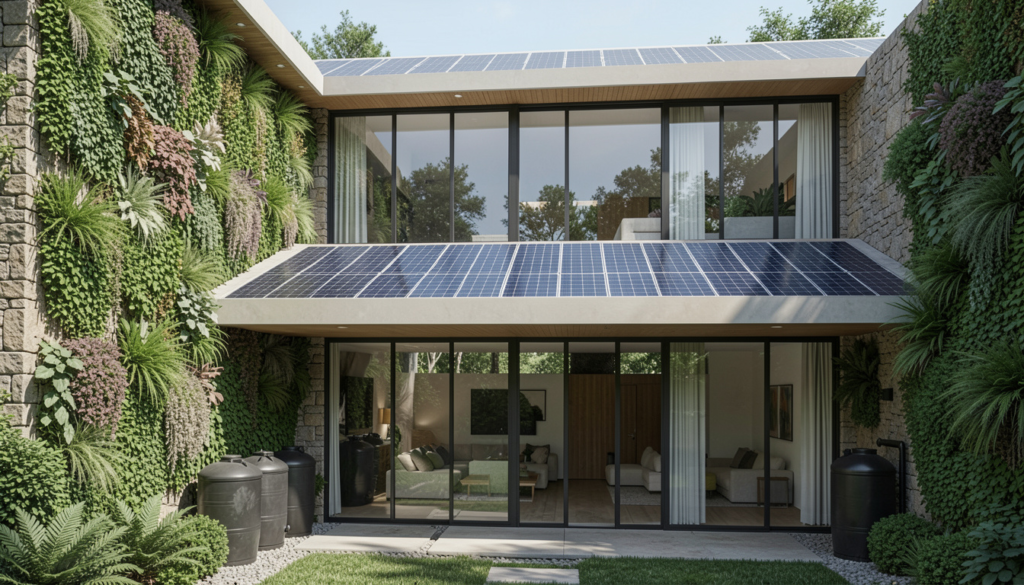
The process of transformation begins with a shift in perspective. Rather than viewing sustainability as a series of restrictive “don’ts,” it should be seen as an invitation to innovate. It is about choosing quality over quantity, efficiency over excess, and longevity over the disposable. Whether you are living in a compact urban apartment or a sprawling suburban house, there are countless ways to integrate eco-conscious principles into your architecture, interior design, and daily routines. In this guide, we will explore comprehensive strategies to help you cultivate a home that is as kind to the planet as it is comfortable for you, providing a roadmap for a truly regenerative lifestyle.
Start with Energy Efficiency
The most effective way to begin your sustainability journey is to look at the energy your home consumes—and often wastes. Energy efficiency is frequently called the “first fuel” because the cleanest energy is the energy you never have to use. By tightening the efficiency of your home, you immediately lower your monthly overhead and reduce the demand on power grids that still rely heavily on fossil fuels. This transition doesn’t always require massive renovations; often, it starts with identifying the “energy leaks” that occur in every household.
LED lighting is perhaps the simplest DIY upgrade available. Traditional incandescent bulbs lose 90% of their energy as heat, whereas LEDs are incredibly cool and efficient, using a fraction of the electricity to produce the same amount of light. Beyond lighting, the “brain” of your home’s climate—the thermostat—plays a massive role. Installing a smart thermostat allows you to program heating and cooling cycles around your actual life, ensuring you aren’t conditioning the air in an empty house. These devices can save homeowners up to 15% on cooling and heating costs annually.
Furthermore, don’t overlook your home’s “envelope.” Small gaps around windows and doors can lead to significant thermal loss. Applying weatherstripping or caulk is a low-cost, high-impact DIY project that keeps treated air inside. For a more substantial impact, check your attic and wall insulation; upgrading to modern, eco-friendly insulation materials can transform a drafty house into a thermal fortress, ensuring your HVAC system doesn’t have to work overtime to maintain a comfortable temperature.
Go Green with Renewable Energy
Once you have reduced your energy demand through efficiency, the next logical step is to change where your remaining power comes from. Transitioning to renewable energy is the ultimate way to “decarbonize” your domestic life. In the past decade, the technology for residential renewable energy has matured significantly, becoming more affordable, efficient, and aesthetically integrated into home designs. By harvesting energy from the sun or wind, you effectively turn your home into a micro-power plant.
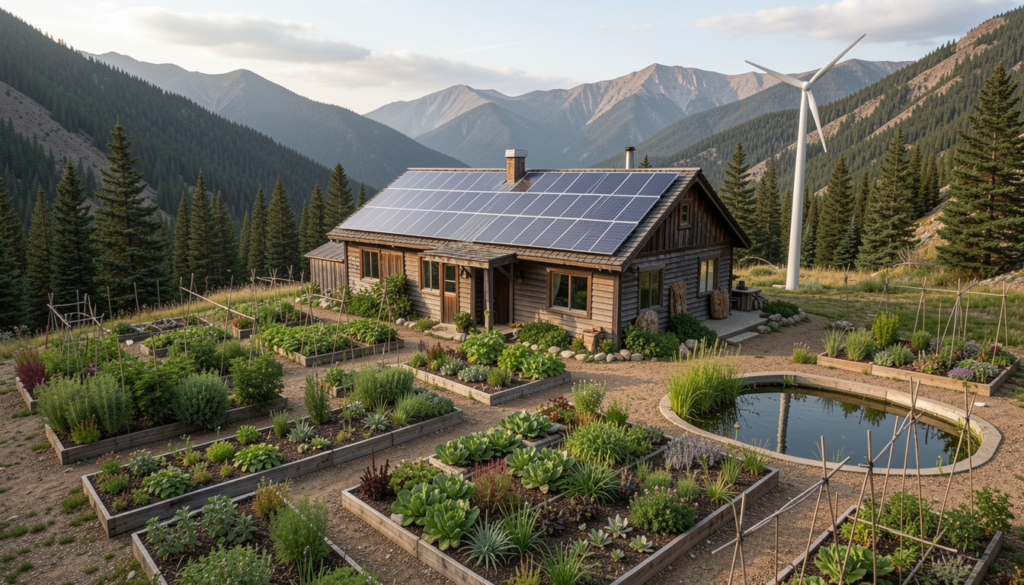
Solar panels are the gold standard for residential renewable energy. Modern photovoltaic (PV) systems can be installed on roofs or even as solar shingles that mimic traditional roofing materials. The environmental impact is immediate: a typical residential solar system can offset several tons of carbon dioxide every year. Financially, many regions offer “net metering,” allowing you to sell excess power back to the utility company, which can eventually lead to a zero-dollar electricity bill.
If your property isn’t suitable for solar due to shading or local regulations, you aren’t left out of the green energy revolution. Many communities now offer community solar programs or “Green Power” options through existing utility providers. These programs allow you to support local renewable energy farms, ensuring that the kilowatt-hours you consume are matched by clean energy generation elsewhere. This shift signals a powerful market demand for a cleaner grid, accelerating the transition away from coal and gas on a systemic level.
Eco-Friendly Materials and Furniture
The “bones” and “soul” of your home—the materials used in its construction and the furniture that fills its rooms—carry an “embodied carbon” footprint. This refers to the energy used to extract, manufacture, and transport those goods. To create a truly sustainable home, we must look beyond how an item looks and consider its entire lifecycle. Choosing materials that are rapidly renewable, recycled, or reclaimed ensures that your home’s aesthetic doesn’t come at the cost of the world’s forests or mines.
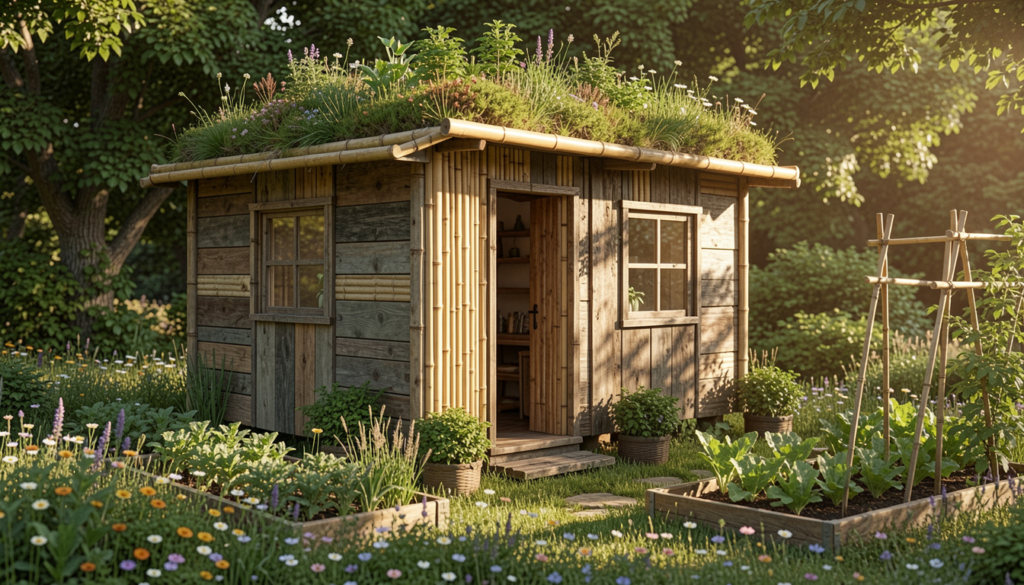
Bamboo is a standout material in this category; because it is a grass that grows at an incredible rate, it is far more sustainable than traditional hardwoods for flooring and cabinetry. Reclaimed wood is another excellent choice, offering a rustic, storied charm while preventing the felling of new trees. When it comes to the air you breathe inside, choosing low-VOC (Volatile Organic Compound) paints and finishes is essential. Traditional paints off-gas harmful chemicals for years; eco-friendly alternatives use natural pigments and binders that keep your indoor air clean.
When furnishing your space, move away from “fast furniture” that is designed to be replaced every few years. Instead, look for pieces made from recycled metal, FSC-certified wood, or natural textiles like organic cotton and hemp. Better yet, embrace the “circular economy” by purchasing high-quality vintage or secondhand furniture. Restoring an old teak sideboard or reupholstering a classic armchair not only adds unique character to your home but also keeps high-quality materials out of the landfill and reduces the demand for new industrial production.
Sustainable Water Practices
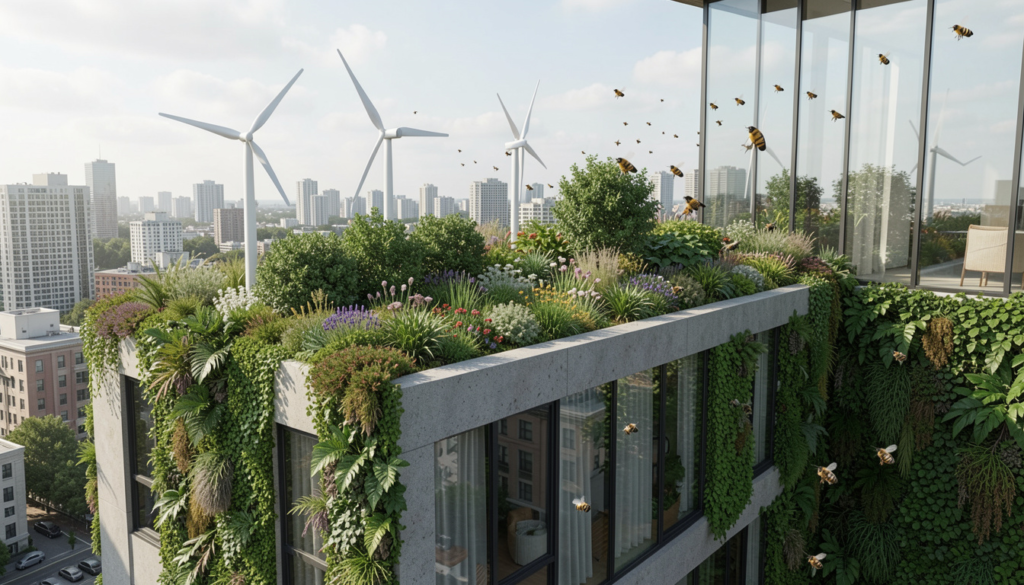
Water is an increasingly scarce and precious resource, yet it is often treated as an infinite commodity in the modern household. Implementing sustainable water practices is about moving from a “use and discard” mindset to one of “conservation and harvest.” By reducing our indoor water use and managing how rain interacts with our property, we can protect local watersheds and ensure water security for the future.
Inside the home, the quickest wins come from high-efficiency fixtures. Low-flow showerheads and faucet aerators can reduce water usage by up to 30% without a noticeable loss in pressure. Similarly, dual-flush toilets allow for significant savings by using only the necessary amount of water for each flush. These small mechanical changes require zero effort once installed but pay dividends in reduced water bills and conserved resources every single day.
Outside, rainwater harvesting is a cornerstone of a sustainable home. Installing a rain barrel at the base of your downspouts allows you to collect free, chlorine-free water that is perfect for gardening. For those looking for a more advanced system, “greywater” recycling—which treats and reuses water from sinks and showers for irrigation or toilet flushing—is becoming a popular way to close the loop on domestic water cycles. By slowing down the flow of water through our homes, we mitigate the strain on municipal infrastructure and keep our local landscapes hydrated and healthy.
Smart Waste Management
Waste management in a sustainable home goes far beyond simply having a blue bin for plastic. It is about auditing our consumption and creating systems that treat “trash” as a resource. The goal of a smart waste system is to achieve as close to “zero waste” as possible by diverting organic matter from landfills and ensuring that dry recyclables are processed correctly.
A critical component of this is home composting. Food scraps and yard waste account for nearly a third of what many households throw away; in a landfill, this organic matter roasts and produces methane, a potent greenhouse gas. By starting a compost pile or using an indoor worm bin (vermicomposting), you can turn those scraps into “black gold”—nutrient-rich soil that feeds your plants and garden. It is a perfect example of a closed-loop system where waste becomes a vital input for growth.
Beyond composting, organizing a multi-stream recycling center in your kitchen makes it easier to separate glass, metals, and various plastics. However, the most “sustainable” waste is the kind that never enters the house. Practice “pre-cycling” by choosing products with minimal or compostable packaging and opting for reusable containers over single-use ones. Upcycling is another creative pillar; before tossing an item, ask if it can be repurposed. An old wooden ladder can become a bookshelf, and glass jars can be transformed into bulk-pantry storage, adding a DIY, personal touch to your sustainable interior.
Energy-Efficient Appliances
While we often focus on the big-picture architecture of a home, the machines we use every day—the dishwasher, the laundry machine, the refrigerator—are responsible for a massive chunk of our daily energy and water footprint. Older appliances are notoriously “thirsty” and “hungry,” often using twice the resources of modern counterparts. Investing in energy-efficient appliances is one of the most reliable sustainable home ideas for achieving a high-performance household.
When selecting appliances, the ENERGY STAR label is your best guide. These products are independently certified to save energy and water without sacrificing performance. For example, a modern ENERGY STAR certified dishwasher uses less than 4 gallons of water per cycle, whereas hand-washing the same amount of dishes can use up to 20 gallons. Similarly, front-loading washing machines use significantly less water and electricity than traditional top-loaders and are gentler on your clothes, helping them last longer.
Beyond just purchasing the right machines, how you use them matters. Running your dishwasher only when full, using the “eco” mode on your laundry machine, and keeping your refrigerator coils clean to ensure efficient cooling are all behavioral “hacks” that boost the efficiency of your tech. By choosing appliances that respect the planet’s limits, you ensure that the modern conveniences of home don’t come at the expense of our ecological future.
Sustainable Landscaping and Gardening
The land surrounding your home is your most direct connection to the local ecosystem. Traditional landscaping often relies on high-maintenance lawns that require excessive water, synthetic fertilizers, and gasoline-powered mowers. Sustainable landscaping, or “xeriscaping,” flips this model on its head by working with nature rather than against it. By choosing native plants that are adapted to your local climate and soil, you create a garden that requires almost no supplemental water or chemical intervention.
Native plants also provide essential habitats for local pollinators like bees and birds, turning your backyard into a vital link in the local food web. Integrating a vegetable and herb garden further enhances the sustainability of your home. Growing your own food eliminates the carbon emissions associated with transporting produce from farm to store and ensures you have access to fresh, organic nutrition. Even a small balcony can host a vertical garden of greens and herbs, significantly reducing your grocery store “food miles.”
Landscaping can also be a functional tool for home energy efficiency. Deciduous trees planted on the southern side of a home provide shade in the summer, lowering cooling costs, while dropping their leaves in the winter to allow the sun’s warmth to naturally heat the house. Strategic windbreaks made of evergreens can protect your home from chilly winter gusts. By viewing your garden as a functional part of your home’s climate control system, you create a landscape that is beautiful, productive, and protective.
Green Interior Design Ideas
Interior design is the final layer of a sustainable home, and it is where aesthetics meet ethics. A “green” interior is characterized by a move toward minimalism—not necessarily a sterile look, but a conscious effort to reduce clutter and excessive consumption. By choosing a few high-quality, meaningful pieces over a multitude of cheap decorations, you create a space that feels calm and intentional.
Sustainability in design also means prioritizing natural elements. Maximize natural lighting through the use of sheer curtains and strategically placed mirrors to reduce the need for artificial lamps during the day. Incorporating indoor plants isn’t just a trend; they act as natural air purifiers, filtering out common household toxins and boosting the oxygen levels in your living spaces. Natural textiles, such as wool rugs, linen curtains, and organic cotton bedding, offer a tactile warmth and are biodegradable at the end of their long lives.
Finally, consider the “health” of your decor. Choose furniture and textiles that are free from flame retardants and toxic dyes. Sustainable design is as much about the things we keep out of our homes as the things we bring in. A well-designed green interior feels “breathable” and connected to the natural world, proving that you don’t have to choose between a stylish home and a healthy planet.
Smart Home Technology for Sustainability
Technology is often viewed as being at odds with nature, but in a sustainable home, smart technology acts as an essential bridge. The “Smart Home” of today uses sensors, automation, and real-time data to ensure that resources are used with surgical precision. These devices take the guesswork out of conservation, making it easier than ever to maintain an eco-friendly household.
Smart meters and energy monitoring apps give you a “live” look at your home’s consumption, allowing you to identify which appliances are drawing power unexpectedly. Automated lighting systems use motion sensors to ensure lights are never left on in empty rooms, and smart window shades can automatically close during the hottest part of the day to keep interiors cool. On the water front, smart irrigation controllers check local weather forecasts and only water your garden when necessary, preventing waste during rainstorms.
Many of these devices are now affordable and “plug-and-play,” making them accessible for renters and homeowners alike. By utilizing technology to optimize energy and water usage, you create a home that “thinks” about its environmental impact, allowing you to live comfortably while the house handles the logistics of conservation.
Building a Sustainable Mindset
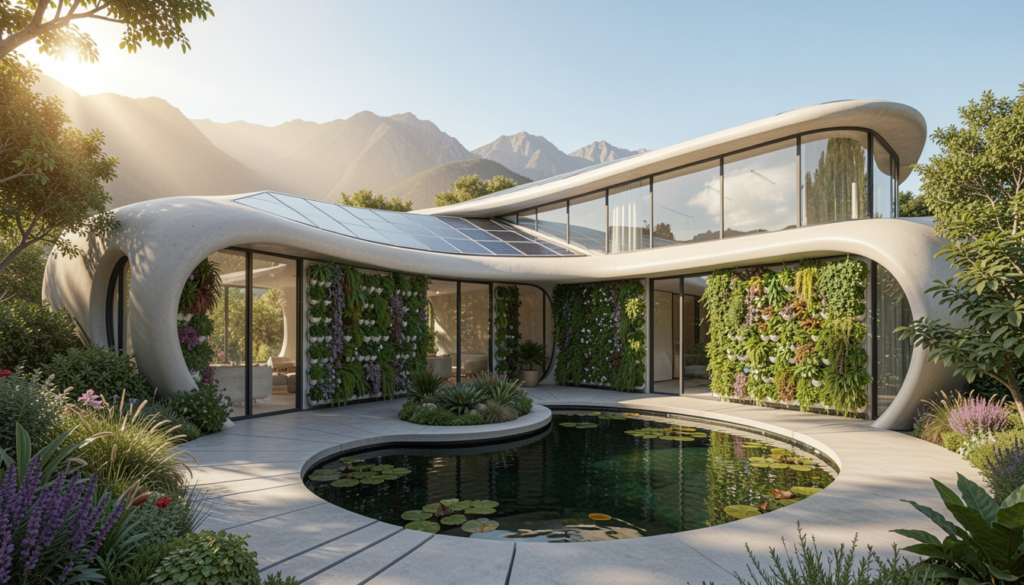
The most high-tech solar panels and the most efficient insulation won’t create a sustainable home without the right mindset. Sustainability is, at its core, a series of choices we make every day. It is about moving away from the “consumer” identity and embracing a “steward” identity. This means educating family members about why we compost, why we turn off the lights, and why we choose to repair rather than replace.
A sustainable mindset involves mindful purchasing—asking “Do I really need this?” and “How was this made?” before every buy. It involves reducing unnecessary consumption and finding joy in the items we already own. It also means thinking about the long term. A sustainable home is a legacy; it is an investment in a future where our living spaces are in harmony with the natural world.
Encourage a culture of sustainability within your household by setting small, achievable goals together. Whether it’s a “zero-waste week” or a challenge to see how much you can lower the utility bill through behavior alone, making sustainability a shared family project ensures that these habits stick. When the mindset is right, every other sustainable idea falls into place naturally.
Conclusion
Transforming your home into a sustainable sanctuary is one of the most rewarding projects you can undertake. By integrating these sustainable home ideas—from energy efficiency and renewable power to mindful material choices and smart technology—you create a living environment that is resilient, healthy, and profoundly impactful. Remember that the journey to a green home doesn’t have to happen all at once. Every LED bulb swapped, every native plant added to the garden, and every compost bin started is a victory for the planet.
The benefits of this transition are immediate and long-lasting: lower monthly costs, a healthier indoor environment for your loved ones, and the deep satisfaction of knowing your lifestyle supports the flourishing of the Earth. Start small, act consistently, and watch as your home becomes a powerful catalyst for positive change. The world we explore and cherish begins right at our own front door.
Summary: Sustainable Home Ideas at a Glance
- Energy Efficiency: Use LED lighting, smart thermostats, and improve insulation to stop energy leaks.
- Renewable Power: Install solar panels or join a community green energy program.
- Eco-Materials: Choose bamboo, reclaimed wood, and low-VOC paints for a non-toxic home.
- Water Conservation: Use low-flow fixtures and harvest rainwater for your garden.
- Waste Management: Start a compost bin and audit your recycling to reduce landfill waste.
- Efficient Appliances: Look for the ENERGY STAR label when replacing old machines.
- Native Landscaping: Replace thirsty lawns with native plants and grow your own food.
- Green Design: Focus on minimalism, natural textiles, and indoor air-purifying plants.
- Smart Tech: Use energy monitoring apps and automated sensors to optimize resource use.
- Mindful Habits: Cultivate a stewardship mindset and prioritize repair over replacement.