
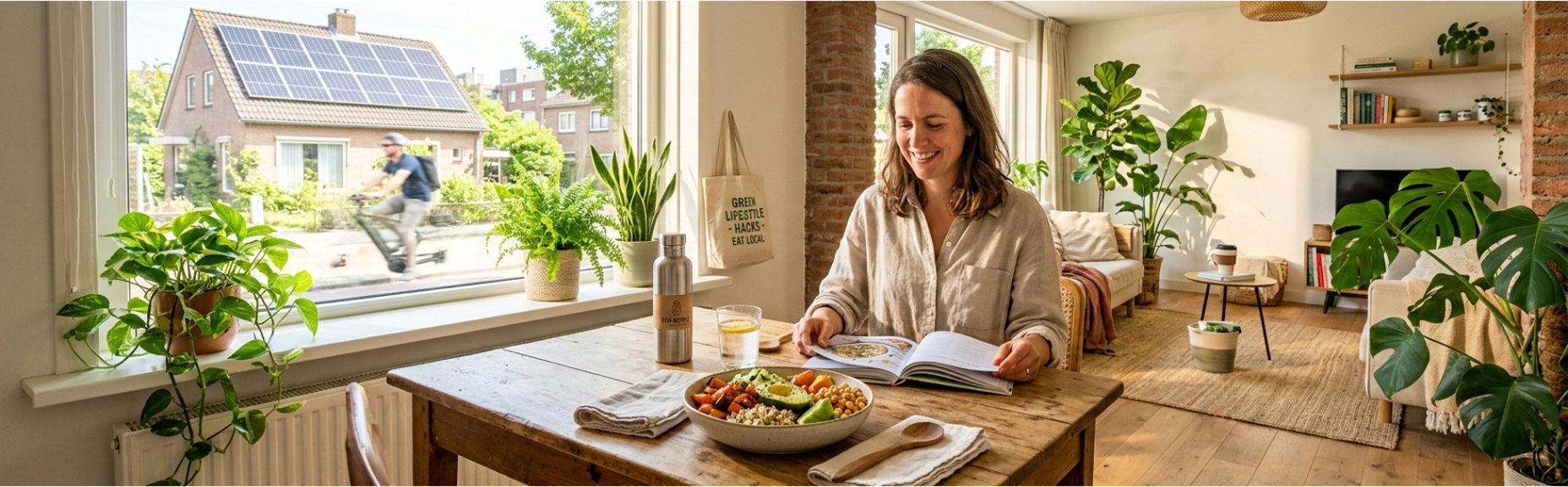
Our planet is currently facing unprecedented environmental challenges. From the rapid melting of polar ice caps and rising global temperatures to the devastating loss of natural habitats that threaten magnificent wildlife, the signs of ecological strain are everywhere. Whether you are someone who dreams of exploring pristine jungles, hiking deep into untouched canyons, or simply enjoying a clean, vibrant local park, the urgency to protect our environment has never been more apparent. While these global issues can often feel incredibly overwhelming, the power to initiate meaningful change lies directly in our daily habits. By consciously adopting a more eco-conscious mindset, we can collectively ease the burden on our planet’s resources.
Transitioning to a sustainable way of living does not require you to completely upend your life overnight, move off the grid, or sacrifice modern comforts. In fact, some of the most profound impacts come from making simple, consistent adjustments to the way we consume, travel, and manage our households. Embracing these practical green lifestyle tips offers a multitude of benefits that extend far beyond environmental conservation. On a personal level, sustainable living is intricately linked to better health; it encourages us to consume fewer processed goods, breathe cleaner air, and engage in more active forms of transportation. Financially, it is a massive boon. By reducing waste, optimizing energy use, and purchasing items with longevity in mind, a sustainable lifestyle is inherently a cost-saving lifestyle.

To make this transition as seamless and accessible as possible, it helps to look at sustainable living through the lens of actionable “hacks.” These are straightforward, easily implementable strategies designed to integrate smoothly into your current routine. Instead of focusing on massive overhauls, these hacks target the low-hanging fruit of eco-friendly living. By breaking down the monumental task of “saving the planet” into bite-sized, manageable actions, you can build momentum and create lasting habits. In the comprehensive guide below, we will explore ten incredibly effective green lifestyle hacks that you can begin implementing today, helping you safeguard the natural world while improving your own quality of life.
Reduce Single-Use Plastics
The modern world is undeniably addicted to single-use plastics, and the environmental toll of this convenience is staggering. Plastics are manufactured from fossil fuels and are designed to last for centuries, yet they are frequently used for mere minutes before being discarded. Once in the trash, they rarely biodegrade; instead, they photodegrade, breaking down into microscopic fragments known as microplastics. These tiny toxic particles have infiltrated every corner of the globe, from the deepest ocean trenches to the highest mountain peaks, and they routinely find their way into the food chain, ultimately ending up in our bodies. Furthermore, plastic pollution poses a severe threat to wildlife, with millions of marine animals and terrestrial creatures perishing each year due to ingestion or entanglement.
To combat this, the first and most crucial hack is to drastically reduce your reliance on single-use plastics. The market is now flooded with durable, stylish, and highly practical alternatives that make the switch easier than ever. Consider the following simple swaps:
- Reusable Shopping Bags: Keep a stash of sturdy canvas or recycled material bags in the trunk of your car or by your front door. This simple habit eliminates the need for hundreds of flimsy plastic grocery bags each year.
- Stainless Steel or Glass Water Bottles: Instead of buying bottled water, invest in a high-quality, insulated reusable bottle. Not only does this prevent plastic waste, but it also keeps your beverages cold or hot for hours.
- Beeswax Wraps and Silicone Lids: Ditch the cling film. Beeswax wraps are washable, reusable, and compostable, offering a perfectly sustainable way to wrap sandwiches or cover bowls.
- Travel Utensil Kits: Carry a small bamboo or stainless steel cutlery set in your bag. When ordering takeout or eating on the go, you can confidently decline the pre-packaged plastic forks and spoons.
Making these small lifestyle changes yields an outsized impact. By assembling a simple “zero-waste toolkit” to take with you when you leave the house, you actively vote against the single-use economy. Over the course of a single year, one individual refusing single-use plastics can prevent thousands of pieces of non-biodegradable waste from entering our landfills and oceans.
Conserve Water at Home
Water is the lifeblood of our planet, yet fresh, accessible water accounts for less than one percent of the Earth’s total water supply. With population growth, agricultural demands, and climate change-induced droughts, water scarcity is rapidly becoming one of the most pressing crises of the 21st century. Conserving water at home is not just an environmental imperative; it is a vital necessity for ensuring future generations have access to this life-sustaining resource. Furthermore, because treating, pumping, and heating water requires massive amounts of energy, reducing your water footprint simultaneously shrinks your carbon footprint.
Fortunately, conserving water does not mean giving up proper hygiene or letting your garden wither. It is about maximizing efficiency and eliminating careless waste. Here are several highly effective tips to lower your water consumption:
- Install Low-Flow Fixtures: Replacing your standard showerheads and faucet aerators with low-flow alternatives is one of the most cost-effective ways to save water. These devices restrict the volume of water flowing through the pipe while maintaining water pressure by mixing in air, saving gallons of water per minute.
- Be Vigilant About Leaks: A dripping faucet or a silently running toilet might seem insignificant, but these minor leaks can waste hundreds, even thousands, of gallons of water over a year. Routinely check the plumbing under your sinks and inspect your toilet flappers. Fixing these issues is often as simple as replacing a cheap rubber washer.
- Optimize Your Laundry and Dishwashing: Only run your washing machine and dishwasher when you have a full load. Modern dishwashers are actually more water-efficient than hand-washing, provided they are fully loaded.
- Collect Rainwater: If you have outdoor space, setting up a rain barrel beneath your downspouts is an excellent way to capture free, nutrient-rich water for your garden, reducing your reliance on the municipal water supply during dry months.
These seemingly small changes lead to substantial savings, both in terms of natural resources and your monthly utility bills. By viewing water as a precious commodity rather than an infinite utility, you naturally cultivate habits that protect our vital waterways and aquatic ecosystems.
Opt for Energy-Efficient Appliances
The appliances we use daily—our refrigerators, washing machines, ovens, and air conditioners—are the silent energy guzzlers of our homes. Traditional, older appliances are notoriously inefficient, drawing excessive amounts of electricity generated primarily by the burning of fossil fuels. This heavy energy consumption directly contributes to higher greenhouse gas emissions, accelerating global warming. By upgrading to energy-efficient appliances, you can drastically cut down on your home’s energy demand without sacrificing performance or convenience.
When shopping for new appliances, the most important step is to look for official energy-efficiency ratings, such as the widely recognized ENERGY STAR label (or your local equivalent). These certifications are awarded strictly to products that meet or exceed stringent energy efficiency guidelines set by environmental protection agencies. These appliances utilize advanced technologies—like improved insulation, more efficient compressors, and smarter sensors—to perform the same tasks using significantly less electricity.
- The Refrigerator Switch: Refrigerators run 24/7. Modern energy-efficient fridges use roughly half the electricity of models manufactured a decade ago.
- Heat Pump Tumble Dryers: If you rely on a dryer, switching to a heat pump model is a game-changer. Unlike traditional vented dryers that release hot air outside, heat pump dryers recycle the hot air, using significantly less energy to dry your clothes.
- LED Lighting Replacement: While not a large appliance, replacing incandescent or CFL bulbs with LED bulbs is the easiest energy hack available. LEDs use up to 90% less energy and last up to 25 times longer than traditional incandescent bulbs.
- Smart Thermostats: Heating and cooling make up a massive portion of home energy use. A smart thermostat learns your schedule and adjusts the temperature automatically, ensuring you aren’t needlessly heating or cooling an empty house.
The immediate benefit of opting for energy-efficient appliances is a noticeable drop in your monthly electricity bills. While the upfront cost of a new, efficient appliance might be slightly higher, the long-term cost savings through reduced utility bills will easily pay for the upgrade over the appliance’s lifespan, all while significantly reducing your personal carbon footprint.
Embrace Plant-Based Meals
What we choose to put on our plates has a profound impact on the environment. Industrial animal agriculture is one of the leading drivers of climate change, deforestation, and water pollution. Raising livestock—particularly cattle—requires vast amounts of land and water, and it generates immense quantities of methane, a greenhouse gas significantly more potent than carbon dioxide. Furthermore, the clearing of forests to create grazing land or to grow feed crops is destroying vital ecosystems and threatening the survival of countless species.
You do not need to become a strict vegan overnight to make a difference. Embracing plant-based meals is about reduction, not necessarily elimination. Transitioning your diet gradually is one of the most powerful green lifestyle tips you can adopt. By simply reducing your meat intake, you drastically lower your dietary carbon footprint.
- Implement Meatless Mondays: Start by designating one day a week where you consume strictly vegetarian or vegan meals. It is a manageable goal that forces you to explore new recipes and ingredients without feeling restricted.
- Focus on Whole Foods: Base your plant-based meals around hearty, nutrient-dense whole foods rather than heavily processed meat substitutes. Lentils, chickpeas, black beans, quinoa, and sweet potatoes are incredibly filling, cheap, and environmentally friendly.
- Explore Global Cuisines: Many cultures have long, rich traditions of plant-based cooking. Explore authentic Indian dals and vegetable curries, Mediterranean falafel and hummus bowls, or vibrant Mexican black bean and corn salads.
- Treat Meat as a Condiment: When you do eat meat, try shifting the proportions. Instead of a massive steak being the centerpiece of the meal, use a small amount of high-quality, ethically sourced meat to flavor a large dish of vegetables and grains, like a stir-fry or a hearty stew.
By shifting toward a plant-heavy diet, you directly reduce the demand for intensive animal farming. Along with the profound environmental benefits, plant-based diets are consistently linked to lower rates of heart disease, improved digestion, and increased overall vitality, proving that what is good for the earth is incredibly good for you.

Use Eco-Friendly Transportation
The transportation sector is a massive contributor to global greenhouse gas emissions, primarily due to the billions of internal combustion engine vehicles on the road burning gasoline and diesel. Every time we turn the key in a standard car, we release carbon dioxide, nitrogen oxides, and particulate matter into the atmosphere, contributing to smog, poor air quality, and global warming. Rethinking how we get from point A to point B is a vital step in adopting a green lifestyle.
Fortunately, eco-friendly transportation options are expanding rapidly, offering alternatives that are often healthier, cheaper, and more enjoyable than sitting in gridlocked traffic in a single-occupancy vehicle.
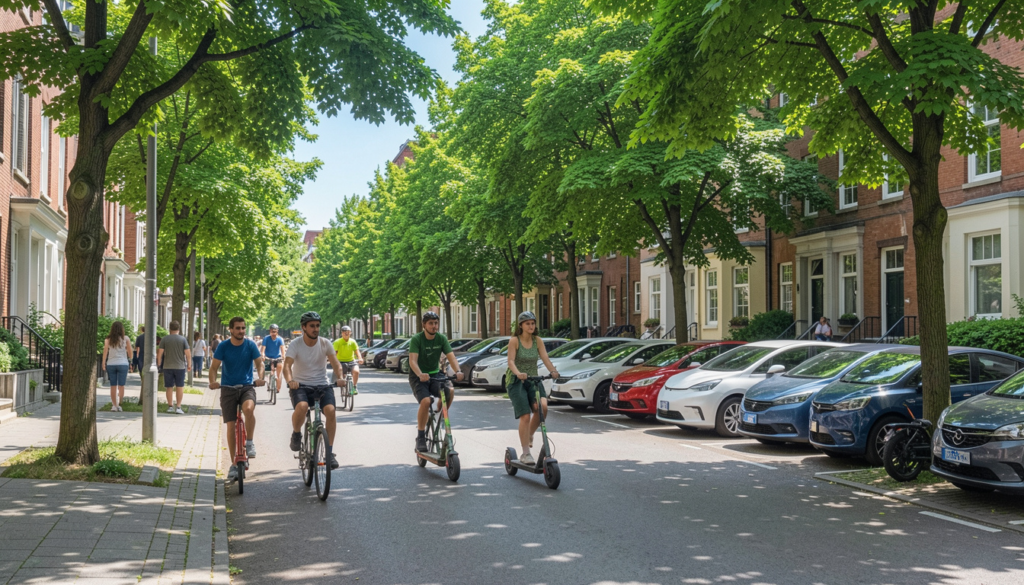
- Active Transportation: Walking and cycling are the ultimate zero-emission forms of transport. For short trips to the grocery store, the local café, or visiting nearby friends, leaving the car at home in favor of your own two feet or a bicycle is immensely beneficial. It completely eliminates tailpipe emissions while providing excellent cardiovascular exercise.
- Embrace Public Transit: Buses, trains, trams, and subways are significantly more carbon-efficient per passenger than personal cars. Utilizing public transport reduces traffic congestion and lowers overall urban emissions. Plus, it gives you free time to read, listen to podcasts, or catch up on emails during your commute.
- Carpooling and Ride-Sharing: If driving is unavoidable, coordinate with colleagues or neighbors to carpool. Cutting the number of cars on the road in half instantly halves the emissions associated with that journey.
- Modern Micro-Mobility: The rise of electric scooters and e-bikes has revolutionized urban commuting. E-bikes allow you to travel further and tackle hills without breaking a sweat, making them a highly viable alternative to driving for commutes up to 10 miles.
- The Electric Vehicle (EV) Transition: If you are in the market for a new vehicle, strongly consider an EV. As the power grid becomes greener, the carbon footprint of an EV drops even further, and you completely eliminate localized tailpipe pollution.
By consciously choosing how you travel, you actively participate in reducing the reliance on fossil fuels, leading to cleaner city air and a cooler planet.
Reduce, Reuse, Recycle
The mantra “Reduce, Reuse, Recycle” is the cornerstone of environmental education, yet the order of these words is often misunderstood. It is a hierarchy, not merely a catchy phrase. The most effective way to manage waste is to prevent it from being created in the first place (Reduce), followed by extending the life of existing items (Reuse), and only as a last resort, breaking items down to create new materials (Recycle).
Understanding and properly implementing the three R’s can dramatically shrink the amount of household waste you send to landfills, where organic matter generates methane and plastics sit for millennia.
- Reduce (The First Line of Defense): Be a mindful consumer. Before making a purchase, ask yourself if you truly need the item. Can you borrow it? Can you buy it secondhand? Buy in bulk to reduce packaging waste, and actively opt-out of junk mail and unsolicited catalogs.
- Reuse (Extend the Lifespan): Shift away from a throwaway culture. Upcycling is a creative way to reuse items; turn old glass jars into storage containers or vases, and cut old, stained t-shirts into cleaning rags. Repair broken items—like patching a hole in a jacket or fixing a wobbly chair—instead of immediately throwing them away.
- Recycle (Do It Properly): Recycling is crucial, but it must be done correctly to be effective. “Wish-cycling” (tossing an unrecyclable item into the bin hoping it will be recycled) can contaminate entire batches of legitimate recycling. Check your local municipal guidelines to know exactly what plastics, papers, and metals are accepted. Always rinse out food containers before recycling them to prevent contamination.
- Add a Fourth R: Rot (Composting): Food scraps and yard waste make up a massive portion of municipal garbage. By starting a small compost bin in your backyard or using an indoor vermicomposting (worm) bin, you can turn organic waste into incredibly rich, nutrient-dense soil for your garden or houseplants, keeping it out of the landfill entirely.
Mastering this hierarchy requires a shift in perspective, viewing everything you own not as disposable goods, but as resources that should be maximized.
Switch to Renewable Energy
For over a century, our homes have been powered predominantly by the burning of coal, oil, and natural gas. This reliance on fossil fuels is the primary driver of anthropogenic climate change. Transitioning to renewable energy sources—such as solar, wind, and hydroelectric power—is one of the most impactful, large-scale shifts an individual or household can make. Renewable energy generates electricity with zero greenhouse gas emissions, and the “fuel” (sunlight, wind) is infinitely available and entirely free.
While outfitting a home with a full solar array once seemed like an unattainable luxury, the landscape of renewable energy has changed drastically, making it more accessible than ever before.
- Rooftop Solar Panels: The cost of solar photovoltaic (PV) panels has plummeted over the last decade. Combined with government tax incentives, rebates, and financing options, installing rooftop solar is now a highly viable financial investment for many homeowners. Not only do you generate your own clean energy, but you can often sell excess power back to the grid, drastically lowering or even eliminating your utility bill.
- Community Solar Programs: If you rent your home, live in an apartment, or have a roof shaded by trees, you can still participate in the solar revolution through community solar. These programs allow multiple people to purchase or lease a share of a centralized, local solar farm, and receive credits on their utility bill for the power their share produces.
- Green Power Purchasing Plans: If physical solar isn’t an option, most major utility providers now offer “green energy” plans. By opting into these programs, you pay a slightly different rate, and your utility company commits to purchasing an equivalent amount of power from renewable sources (like wind farms) to feed into the general grid on your behalf.
Switching to renewable energy is a powerful way to vote with your wallet. It signals to energy markets that there is high demand for clean power, accelerating the global transition away from dirty fossil fuels while securing long-term cost savings for your household.
Choose Sustainable Fashion
The clothing industry is currently one of the most polluting sectors in the global economy. The rise of “fast fashion”—cheaply made, highly trendy clothing designed to be worn a handful of times and discarded—has created an environmental disaster. The production of fast fashion requires immense amounts of water (it takes thousands of gallons to produce a single pair of jeans), utilizes toxic chemical dyes that pollute waterways, and relies heavily on synthetic fabrics like polyester, which shed microplastics into the ocean every time they are washed. Furthermore, the industry is plagued by unethical labor practices.
Transforming your wardrobe is a highly impactful area where you can apply green lifestyle tips. Sustainable fashion is about slowing down consumption, valuing quality over quantity, and understanding the lifecycle of your garments.
- Embrace Thrifting and Vintage: The most sustainable garment is the one that already exists. Shopping at thrift stores, vintage boutiques, or online resale platforms extends the life of clothing and completely bypasses the environmental cost of manufacturing new textiles. It is also an excellent way to cultivate a unique, personal style.
- Build a Capsule Wardrobe: A capsule wardrobe consists of a small collection of versatile, high-quality, interchangeable items that you truly love. By focusing on classic silhouettes and neutral colors, you can create dozens of outfits from a minimal number of pieces, drastically reducing your need to constantly buy new clothes.
- Support Ethical and Eco-Friendly Brands: When you do need to buy new, do your research. Look for brands that are transparent about their supply chain, pay fair wages, and use sustainable materials like certified organic cotton, linen, hemp, Tencel, or recycled synthetic fibers.
- Care and Repair: Wash your clothes less frequently, and when you do, use cold water and line-dry them when possible to save energy and preserve the fabric. Learn basic mending skills—like sewing on a button or darning a small hole—to keep your favorite pieces in rotation rather than tossing them in the trash.
By stepping off the fast-fashion treadmill, you reduce immense amounts of textile waste and chemical pollution, while building a wardrobe that is both stylish and ethically sound.
Go Digital Where Possible
In our increasingly connected world, the reliance on physical paper and traditional analog processes is an outdated habit that contributes heavily to deforestation, water consumption, and industrial pollution. The paper industry requires the logging of millions of trees annually and uses massive amounts of water and chemical bleaches during the manufacturing process. By transitioning your daily tasks to digital platforms, you can save trees, reduce physical clutter in your home, and minimize energy wastage.
Going digital is largely about streamlining your administration and consumption habits through technology.
- Opt for E-Billing and Digital Statements: Contact your bank, utility providers, and subscription services and request to switch entirely to paperless billing. This single action stops an avalanche of envelopes and paper statements from entering your mailbox each month, saving thousands of sheets of paper over your lifetime.
- Digital Note-Taking and Planning: Instead of buying countless physical notebooks, sticky notes, and planners, utilize the apps already on your smartphone, tablet, or laptop. Digital calendars and note-taking applications are searchable, back up securely to the cloud, and require zero physical resources.
- E-Books and Digital Subscriptions: If you are an avid reader, consider switching to an e-reader or utilizing library apps for audiobooks and digital magazines. While an e-reader requires energy to manufacture, it becomes far more environmentally friendly than physical books if you read consistently over several years.
- Mind Your Digital Footprint: While going digital is inherently greener than using paper, it is not entirely impact-free. Data centers that store our emails, photos, and cloud files consume massive amounts of electricity. Practice good “digital hygiene” by regularly unsubscribing from junk emails, deleting old or duplicate photos, and clearing out your digital trash to reduce the server energy required to store your data.
By intentionally digitizing your workflows and media consumption, you protect vital forest ecosystems while often making your own life more organized and efficient.
Grow Your Own Plants
Reconnecting with nature is a fundamental aspect of a green lifestyle, and there is no better way to do this than by getting your hands in the dirt. Growing your own plants—whether it is a sprawling backyard vegetable garden, a small balcony herb box, or a collection of indoor houseplants—offers incredible environmental, physical, and mental benefits.
When you grow your own food, you are practicing the ultimate form of sustainable agriculture. You eliminate the “food miles” (the distance food travels from farm to plate, generating carbon emissions), reduce the need for plastic packaging, and control exactly what goes into your soil, bypassing harmful commercial pesticides and synthetic fertilizers.
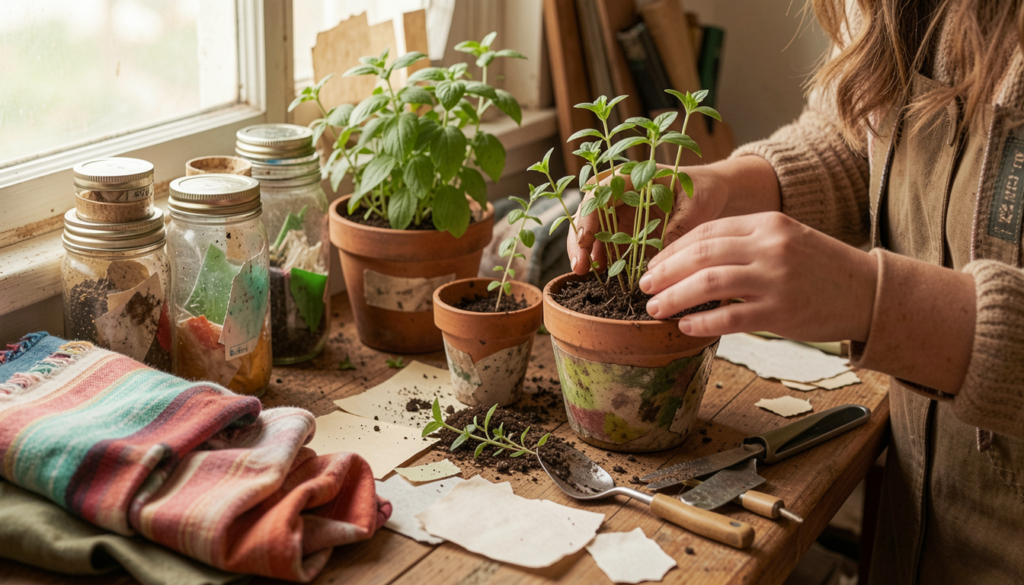
- Start with Easy Herbs: If you are a beginner, do not overwhelm yourself. Start by growing hardy herbs like basil, mint, rosemary, or thyme on a sunny windowsill. These require minimal space and yield fantastic fresh flavors for your cooking, saving you from buying those plastic clamshells of herbs at the supermarket.
- Balcony or Container Gardening: You do not need acres of land to grow food. Tomatoes, peppers, radishes, and leafy greens thrive in pots and containers. If you live in an apartment, utilize your balcony or seek out a local community garden where you can rent a small plot.
- Indoor Plants for Air Quality: Even if you do not want to grow food, cultivating indoor plants is highly beneficial. Plants like Snake Plants, Spider Plants, and Pothos act as natural air purifiers, absorbing common indoor toxins and releasing fresh oxygen, creating a healthier living environment.
- Plant for Pollinators: If you have outdoor space, dedicate a section to native wildflowers and plants that attract bees, butterflies, and hummingbirds. Supporting local pollinator populations is absolutely crucial for maintaining the health of broader ecosystems and food supplies.
Growing plants fosters a deep appreciation for the time, energy, and resources required to produce food. It grounds you, reduces stress, and transforms your living space into a vibrant, living ecosystem.
Conclusion
Transitioning to a more sustainable way of living is a journey, not a destination. As outlined in the hacks above, making meaningful changes does not require drastic sacrifices; rather, it involves mindful, deliberate shifts in how we interact with the resources around us. From swapping out single-use plastics and optimizing home energy use to reconsidering our diets and growing our own herbs, every small action ripples outward, contributing to a much larger global impact.
Do not let the fear of not being “perfectly green” stop you from taking the first step. The goal is progress, not perfection. Choose one or two of these green lifestyle tips to implement this week. Once they become second nature, introduce another. By continually integrating these eco-friendly habits into your routine, you become an active participant in building a healthier, cleaner, and more resilient planet for ourselves, the wildlife we share it with, and all the generations to come.
Summary: 10 Green Lifestyle Hacks at a Glance
- Ditch Single-Use Plastics: Swap bags, bottles, and wraps for durable, reusable alternatives.
- Conserve Water: Install low-flow fixtures, fix leaks instantly, and only run full loads.
- Upgrade Appliances: Choose energy-efficient ratings and switch to LED lighting.
- Eat Plant-Based: Reduce meat consumption, try Meatless Mondays, and focus on whole foods.
- Travel Greener: Walk, cycle, utilize public transit, carpool, or switch to an electric vehicle.
- Master the 3 R’s: Prioritize reducing consumption, upcycle items, and recycle/compost correctly.
- Use Renewable Energy: Install solar panels or opt into green energy programs.
- Rethink Fashion: Avoid fast fashion, buy vintage/secondhand, and build a minimalist wardrobe.
- Go Digital: Switch to paperless billing, use digital notes, and practice good data hygiene.
- Grow Plants: Cultivate indoor air-purifying plants or start a small herb/vegetable garden.
https://www.almphotography.org/guestbook.htmlhttps://www.jm-photography.us/guestbook.htmlhttps://www.staceycolemanphotography.com/guestbook.htmlhttps://www.jsb-photography.com/guestbook.htmlhttps://www.bovat.com/guestbook.htmlhttps://www.gracedupuy.com/guestbook.htmlhttps://www.joesecurityphoto.com/guestbook.htmlhttps://bgnphoto.com/guestbook.htmlhttps://www.terrycervellophotography.com/guestbook.htmlhttps://photos.unification.org/guestbook.htmlhttps://galleries.rvrpro.in/guestbook.htmlhttps://prints.mikeschley.com/guestbook.htmlhttps://www.rhighsmith.com/guestbook.htmlhttps://www.prostudiosimage.com/guestbook.htmlhttps://media.gripgrab.com/guestbook.htmlhttps://www.kloveseephotography.com/guestbook.html
linkeei.composteezy.comshareyoursocial.comlogcla.comhockeynhlforum.comjapanesewomenorg.comfinlandnhlforum.comflorevit.comrugbynflforum.comkingschat.onlinefinlandmlbforum.com
huBlog web 2.0medium.comlinkedin.comquora.comreddit.comtumblr.comwordpress.comblogger.comwix.comweebly.comstrikingly.comhubpages.comvocal.mediaarticlecity.comsooperarticles.comselfgrowth.comarticlebiz.comarticlesfactory.comamazines.comstoreboard.combiggerpockets.comdev.tohashnode.comsitepoint.comdzone.comcodeproject.comlivejournal.comwrite.astelegra.phsubstack.comghost.orgjimdo.comwebflow.comsite123.comzohosites.comgooglesites.comfacebook.cominstagram.comtwitter.compinterest.comscoop.itgrowthhackers.cominstructables.comhackernoon.combehance.netdribbble.combusiness2community.comyourstory.comtechbullion.comreadwrite.comhongkiat.comevernote.comissuu.comslideshare.netacademia.eduwattpad.comezinearticles.comarticlesbase.comworkathomeideas.comarticlealley.comconstantcontent.compen.iopostach.iosvbtle.combravejournal.comoverblog.comblog.comwebs.comedublogs.orgxanga.comblogsome.comflipboard.commix.compearltrees.comlist.lytriberr.comyola.commoonfruit.comangelfire.comtripod.comwebnode.comhubspot.commailchimp.comcarrd.conotion.sotilda.ccbookmark.commozello.comsitey.comucoz.comezeepages.comblogster.comblogdrive.comjux.comtypepad.comweheartit.comexposure.coshorthand.comstorychief.iocontently.comclearvoice.com
hello everyone