
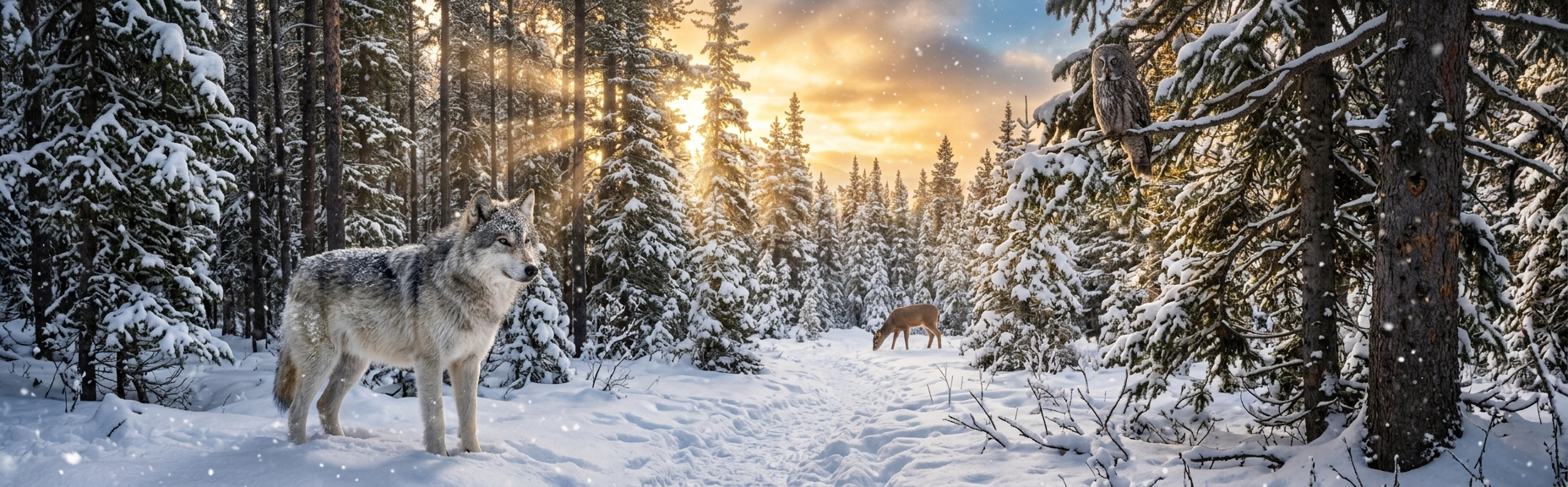
Imagine a world where snow blankets the ground for months, temperatures drop far below freezing, and towering evergreen trees dominate the landscape. Yet, even in these harsh conditions, life thrives in fascinating ways. This is the world of coniferous forest animals, a diverse group of species uniquely adapted to survive in some of the coldest ecosystems on Earth.
Coniferous forest animals are species that live in forests dominated by cone-bearing trees such as pine, spruce, and fir. These animals have evolved specialized traits—like thick fur, hibernation habits, and camouflage—to endure extreme cold, limited food supplies, and long winters. Their ability to adapt makes them some of the most resilient creatures in the natural world.
Evergreen forests, also known as coniferous forests, remain green throughout the year because their needle-like leaves do not fall seasonally like those of deciduous trees. These forests form vast ecosystems that support a wide range of wildlife, from large predators to small mammals and birds.
What makes coniferous forest animals truly unique is their survival strategy. In an environment where food can be scarce and temperatures can be unforgiving, these animals must rely on instinct, adaptation, and seasonal behaviors to stay alive. Some migrate, others hibernate, and many change their physical characteristics with the seasons.

Biodiversity plays a crucial role in maintaining the balance of these ecosystems. Each species contributes to the food chain and ecological stability, ensuring the forest continues to thrive despite environmental challenges.
In this guide, you will explore the fascinating world of coniferous forest animals, understand their habitat, learn about their survival techniques, and discover why these ecosystems are vital for the planet.
What Are Coniferous Forests?
Coniferous forests are one of the largest terrestrial biomes on Earth, forming a green belt across the northern hemisphere. Understanding these forests is essential to fully appreciate the life of coniferous forest animals that inhabit them.
Definition and Meaning
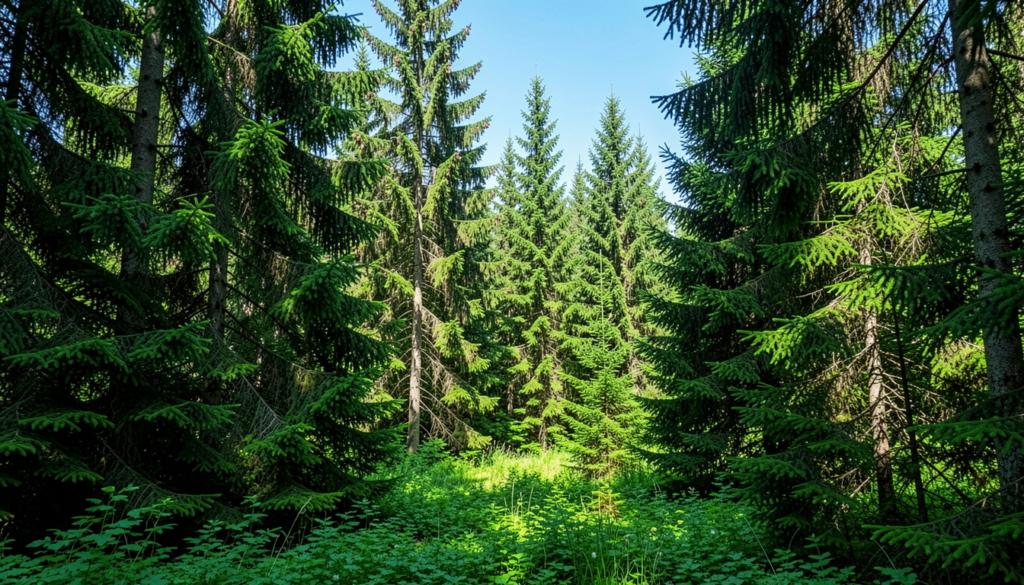
Coniferous forests are ecosystems dominated by cone-bearing trees, commonly known as conifers. These trees produce seeds in cones instead of flowers, which is a key characteristic that distinguishes them from other types of vegetation.
The term “evergreen” refers to the ability of these trees to retain their leaves throughout the year. Instead of shedding leaves seasonally, conifers have needle-like leaves that stay green and functional even during harsh winters. This allows them to photosynthesize whenever conditions are favorable.
Global Distribution
Coniferous forests are primarily found in the northern regions of the world, forming what is known as the boreal forest or taiga. These forests span across:
- North America (Canada and parts of the United States)
- Europe (Scandinavian countries)
- Asia (Russia and northern regions)
These vast forests create a continuous habitat that supports a wide range of coniferous forest animals, making them one of the most important ecosystems globally.
Climate Conditions
The climate in coniferous forests is characterized by extremes, which directly influence the behavior and adaptation of wildlife.
- Long Winters: Winters can last up to six months, with freezing temperatures
- Short Summers: Summers are brief but provide a critical window for growth and reproduction
- Heavy Snowfall: Thick snow covers the ground, affecting mobility and food availability
These conditions create a challenging environment where only well-adapted coniferous forest animals can survive.
Vegetation
The vegetation in coniferous forests is dominated by tall, straight trees that are well-suited to cold climates. Common types include:
- Pine trees
- Spruce trees
- Fir trees
These trees have needle-like leaves that reduce water loss and allow them to withstand snow accumulation without breaking.
Soil Characteristics
The soil in coniferous forests is typically thin and acidic, which limits the variety of plant life that can grow. Decomposition occurs slowly due to cold temperatures, resulting in fewer nutrients in the soil.
Despite these limitations, the ecosystem supports a rich variety of coniferous forest animals that rely on the available vegetation and each other for survival.
Types of Coniferous Forest Animals
The ecosystem of evergreen forests supports a wide variety of wildlife, each adapted to survive in cold and challenging conditions. Coniferous forest animals can be broadly classified into mammals, birds, reptiles and amphibians, and insects. Each group plays a crucial role in maintaining ecological balance.
Mammals
Mammals are the most dominant group of coniferous forest animals. They are well-adapted to cold climates through physical and behavioral traits.
Common examples include:
- Wolves
- Bears
- Deer
- Foxes
These animals typically have thick fur or insulating fat layers to protect against freezing temperatures. For instance, wolves hunt in packs, allowing them to take down large prey and survive harsh winters. Bears, on the other hand, hibernate during the coldest months to conserve energy. Deer migrate or adjust their feeding habits, while foxes rely on keen senses and adaptability to find food under snow.
| Category | Examples | Key Characteristics |
|---|---|---|
| Mammals | Wolves, Bears, Deer | Warm-blooded, thick fur, fat storage |
| Birds | Owls, Eagles, Hawks | Feathers for insulation, some migrate |
| Reptiles & Amphibians | Frogs, Salamanders | Cold-blooded, limited presence |
| Insects | Beetles, Ants, Moths | Small, adaptable, vital for ecosystem |
Birds
Birds are another important category of coniferous forest animals, and they show diverse survival strategies.
Examples include:
- Owls
- Hawks
- Eagles
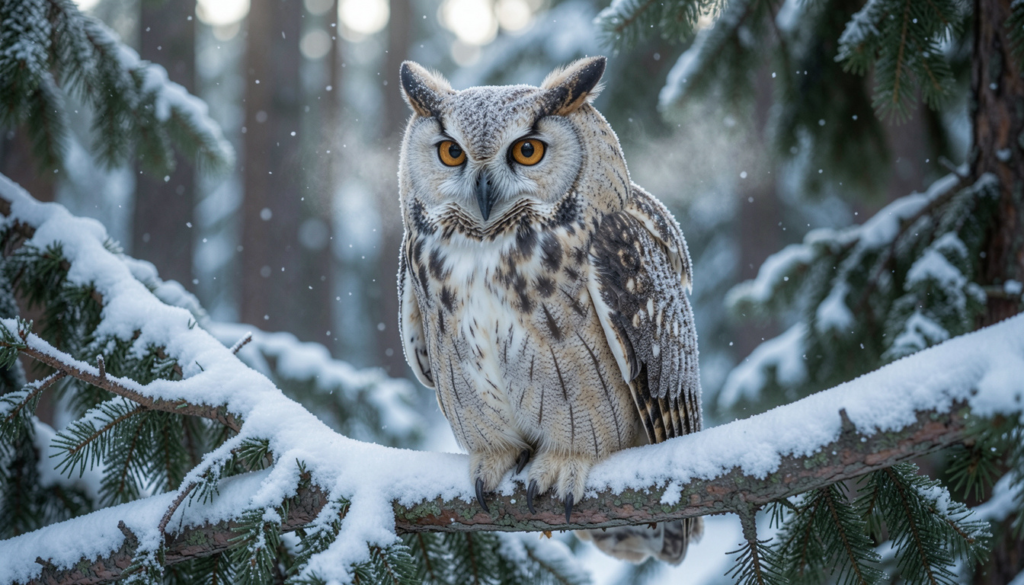
Some birds migrate to warmer regions during winter, while others remain and adapt to the cold. Non-migratory birds like owls develop thicker feathers and rely on hunting small mammals. Migratory birds, such as certain hawks, leave the forest when food becomes scarce and return during warmer seasons.
These birds play a key role as predators, controlling populations of rodents and insects, thus maintaining ecological balance.
Reptiles and Amphibians
Reptiles and amphibians are less common among coniferous forest animals due to the cold climate, as they are cold-blooded and cannot regulate their body temperature internally.
Examples include:
- Frogs
- Salamanders
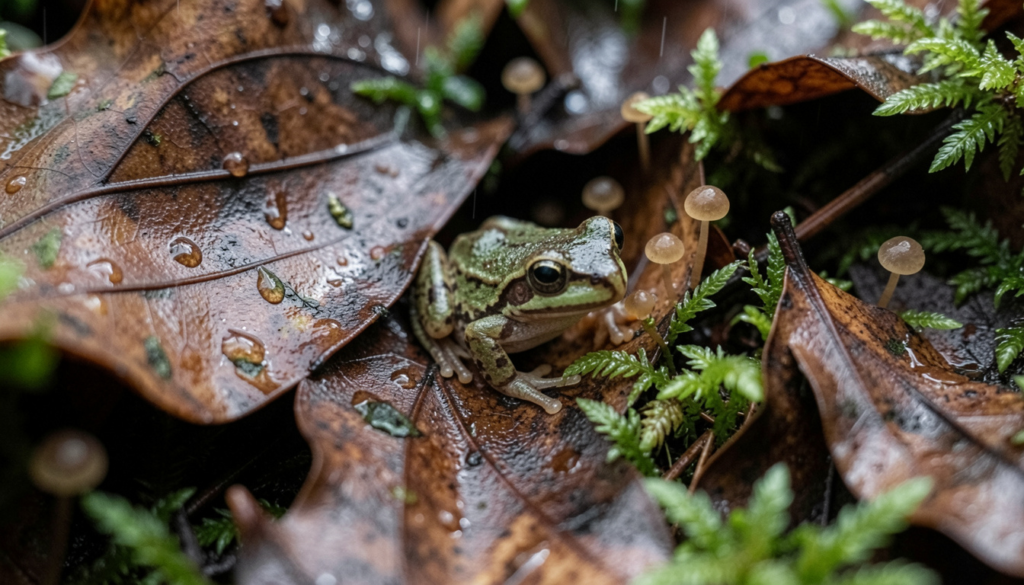
These animals survive by entering a state similar to hibernation during winter. Frogs may burrow into mud or leaf litter, while salamanders hide under logs or underground. Their activity is mostly limited to the short summer season when temperatures are suitable.
Despite their limited presence, they contribute to the ecosystem by controlling insect populations and serving as prey for other animals.
Insects
Insects may be small, but they are vital to the survival of many coniferous forest animals.
Examples include:
- Beetles
- Ants
- Moths
Insects have unique adaptations such as antifreeze-like chemicals in their bodies that prevent freezing. Many lay eggs that survive winter, ensuring the continuation of their species.
They play essential roles in:
- Decomposition of organic matter
- Pollination
- Serving as a food source for birds and small mammals
Without insects, the entire ecosystem of coniferous forest animals would struggle to function effectively.
Major Coniferous Forest Animals and Their Characteristics
The survival of coniferous forest animals depends on their behavior, diet, and ecological roles. From powerful predators to small herbivores, each species contributes to the balance of the ecosystem.
Large Predators
Large predators are at the top of the food chain among coniferous forest animals. They regulate prey populations and maintain ecological stability.
Common examples:
- Wolves
- Lynx
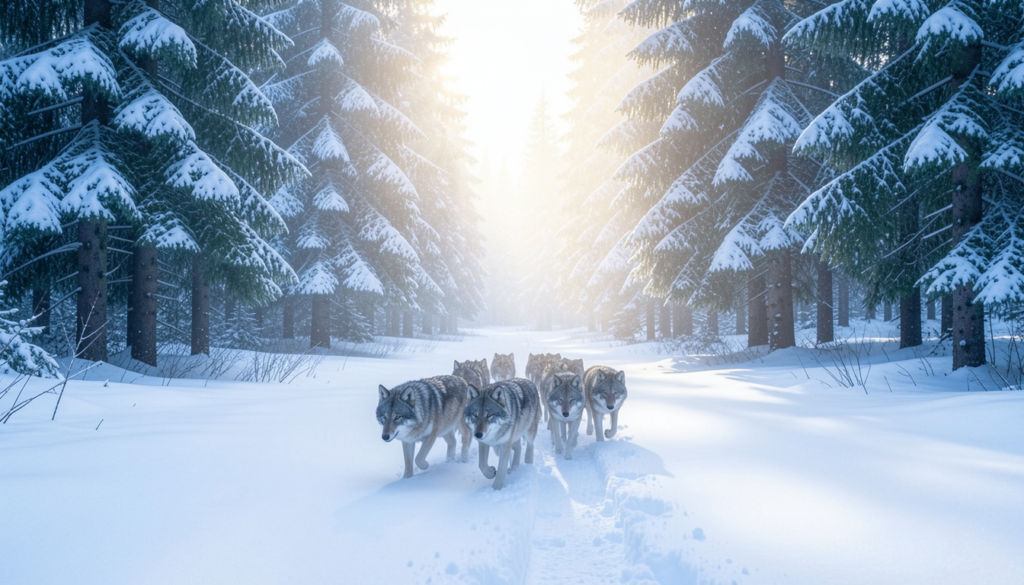
Wolves are highly social animals that hunt in packs. This cooperative hunting strategy allows them to target large prey such as deer. They rely on stamina, teamwork, and communication.
Lynx, on the other hand, are solitary hunters. They depend on stealth and sharp senses to catch prey like hares. Their thick fur and large paws help them move easily across snow.
These predators ensure that herbivore populations do not grow uncontrollably, which helps protect vegetation.
Herbivores
Herbivores form a significant portion of coniferous forest animals, feeding primarily on plants, leaves, and bark.
Examples include:
- Deer
- Moose
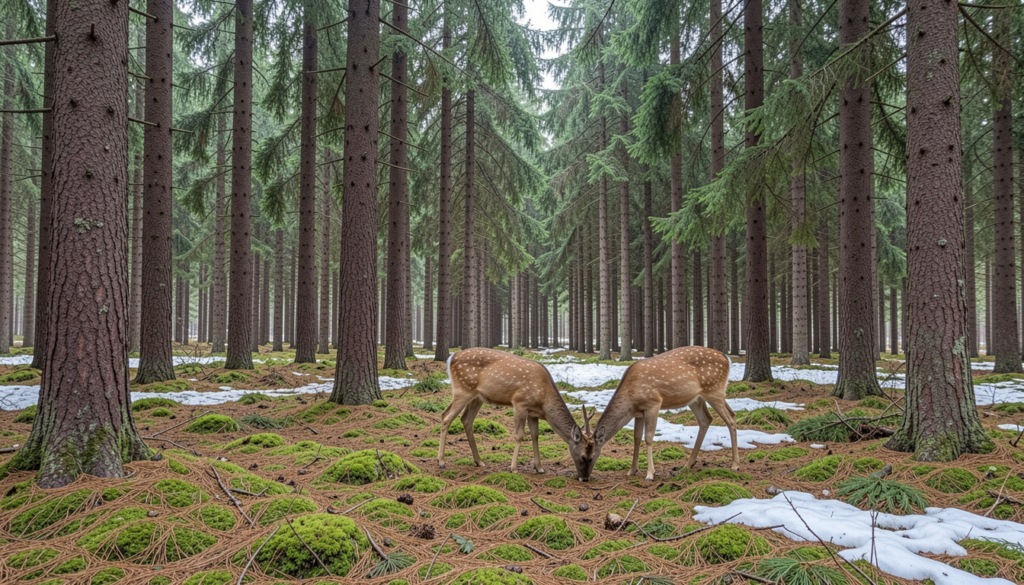
These animals adapt their diet based on the season. During summer, they consume fresh leaves, grasses, and shrubs. In winter, when food is scarce, they rely on tree bark, twigs, and needles.
Their feeding habits directly influence plant growth and forest structure. However, they must remain cautious, as they are primary targets for predators.
Small Mammals
Small mammals may seem insignificant, but they are essential to the survival of coniferous forest animals as a whole.
Examples include:
- Squirrels
- Rabbits
Squirrels store food like seeds and nuts to survive winter, demonstrating remarkable planning behavior. Rabbits, with their fast reproduction rates, serve as a crucial food source for predators.
These animals play a vital role in:
- Seed dispersal
- Maintaining the food chain
- Supporting predator populations
Their presence ensures the continuity of the ecosystem.
Bird Species
Birds in this ecosystem can be divided into hunting birds and seed-eating birds, both important among coniferous forest animals.
Hunting birds:
- Owls
- Eagles
These birds prey on rodents and small mammals, helping control their populations. Owls are nocturnal hunters with excellent hearing, while eagles rely on sharp vision and powerful flight.
Seed-eating birds:
- Finches
- Crossbills
These birds feed on seeds from conifer cones, playing a role in seed distribution and forest regeneration.
Together, these bird species contribute to maintaining balance in the ecosystem by regulating populations and supporting plant growth.
Adaptations of Coniferous Forest Animals
Surviving in cold, snow-covered environments requires extraordinary abilities. Coniferous forest animals have developed a range of adaptations that allow them to endure freezing temperatures, limited food supply, and long winters. These adaptations can be broadly divided into physical, behavioral, and physiological categories.
Physical Adaptations
Physical traits are the most visible survival tools of coniferous forest animals.
- Thick Fur: Many animals, such as foxes and bears, grow dense fur that acts as insulation against extreme cold. This fur traps body heat and prevents heat loss.
- Fat Storage: Animals like bears and moose accumulate fat during warmer months. This stored fat provides energy during winter when food is scarce.
- Camouflage: Seasonal color changes help animals blend into their surroundings. For example, some species develop white fur in winter to match the snow, protecting them from predators or helping them hunt more effectively.
| Adaptation Type | Examples | Purpose |
|---|---|---|
| Physical | Thick fur, fat storage | Protection from cold |
| Behavioral | Hibernation, migration | Survival during extreme seasons |
| Physiological | Lower metabolism | Energy conservation |
| Camouflage | White winter fur | Protection from predators & hunting |
These physical features ensure that coniferous forest animals can maintain body heat, avoid predators, and increase their chances of survival.
Behavioral Adaptations
Behavioral changes are equally important for survival in harsh climates.
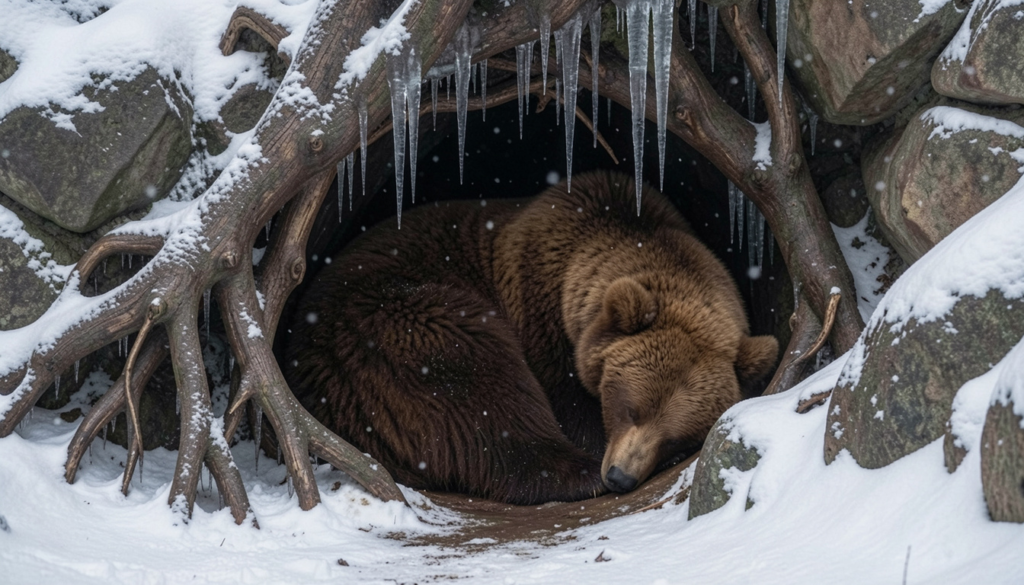
- Hibernation: Some animals, like bears, enter a deep sleep during winter. This reduces their need for food and helps conserve energy.
- Migration: Certain birds leave the forest during winter and return when conditions improve. This helps them avoid extreme cold and food shortages.
- Food Storage: Animals such as squirrels collect and store food in advance. This ensures a steady food supply when resources become limited.
These behaviors allow coniferous forest animals to adapt to seasonal changes and maintain survival even when environmental conditions become severe.
Physiological Adaptations
Physiological changes occur within the body and are crucial for long-term survival.
- Lower Metabolism: During winter or hibernation, animals reduce their metabolic rate. This minimizes energy consumption and helps them survive without frequent feeding.
- Energy Conservation: Many species limit their movement and activity during extreme cold to preserve energy.
These internal adjustments help coniferous forest animals endure long periods of food scarcity and freezing temperatures.
How These Adaptations Ensure Survival
The combination of physical, behavioral, and physiological adaptations enables coniferous forest animals to survive one of the toughest climates on Earth. Thick fur and fat provide warmth and energy, behavioral strategies like hibernation and migration reduce exposure to harsh conditions, and physiological changes ensure efficient energy use.
Together, these adaptations create a highly effective survival system, allowing animals not just to live—but to thrive—in evergreen forests.
Food Chain in Coniferous Forests
The ecosystem of evergreen forests depends on a well-balanced food chain. Coniferous forest animals are interconnected through this chain, where energy flows from one level to another.
Producers
Producers form the base of the food chain and include plants that create their own food through photosynthesis.
Examples:
- Trees (pine, spruce, fir)
- Shrubs and mosses
These plants provide energy for all other organisms in the ecosystem and are essential for supporting coniferous forest animals.
Primary Consumers
Primary consumers are herbivores that feed directly on producers.
Examples:
- Deer
- Moose
- Rabbits
These animals convert plant energy into a form that can be used by predators, making them a key link in the food chain of coniferous forest animals.
| Level | Examples | Role in Ecosystem |
|---|---|---|
| Producers | Pine trees, shrubs | Produce food through photosynthesis |
| Primary Consumers | Deer, rabbits | Eat plants |
| Secondary Consumers | Foxes, birds | Eat herbivores |
| Top Predators | Wolves, bears | Control population balance |
Secondary Consumers
Secondary consumers are small predators that feed on herbivores.
Examples:
- Foxes
- Small birds
- Snakes
They help regulate herbivore populations and maintain ecological balance.
Top Predators
Top predators are at the highest level of the food chain.
Examples:
- Wolves
- Bears
These animals control the population of other species, ensuring that no single group dominates the ecosystem of coniferous forest animals.
Energy Flow and Balance
Energy flows from producers to top predators in a continuous cycle. Each level depends on the one below it. If any part of the chain is disrupted, it can affect the entire ecosystem.
This delicate balance ensures the survival and stability of all coniferous forest animals.
Climate Impact on Coniferous Forest Animals
Climate plays a major role in shaping the lives of coniferous forest animals. Seasonal changes directly influence their behavior, survival, and reproduction.
Winter Season
Winter is the most challenging time for coniferous forest animals.
- Food becomes scarce as plants stop growing
- Snow makes movement and hunting difficult
- Temperatures drop significantly
To survive, animals rely on strategies such as hibernation, migration, and reduced activity levels.

Summer Season
Summer provides a short but important period for growth and reproduction.
- Food is more abundant
- Animals breed and raise their young
- Vegetation grows rapidly
This season allows coniferous forest animals to rebuild energy reserves and prepare for the next winter.
| Season | Behavior | Purpose |
|---|---|---|
| Winter | Hibernation, reduced activity | Energy conservation |
| Summer | Breeding, active feeding | Growth and reproduction |
| Autumn | Food storage | Preparation for winter |
| Spring | Increased activity | Recovery and survival |
Seasonal Behavior Changes
Seasonal shifts cause noticeable changes in animal behavior.
- Migration: Birds and some mammals move to warmer regions during winter
- Activity Levels: Animals are more active in summer and conserve energy in winter
These changes help coniferous forest animals adapt to fluctuating environmental conditions and ensure survival throughout the year.
Importance of Coniferous Forest Animals in Ecosystem
The role of coniferous forest animals extends far beyond their survival. They are essential for maintaining the health and stability of the ecosystem.
Maintaining Ecological Balance
Predators and prey maintain population balance. Without predators, herbivore populations could grow excessively, leading to overgrazing and damage to vegetation.
Population Control
Animals such as wolves and foxes regulate the number of smaller animals. This prevents overcrowding and ensures sustainable use of resources within the ecosystem of coniferous forest animals.
Seed Dispersal
Many animals contribute to forest regeneration by spreading seeds.
- Birds carry seeds over long distances
- Squirrels bury seeds, some of which grow into new plants
This process supports the growth of vegetation and sustains the habitat.
Supporting Food Chains
Each species plays a specific role in the food chain. From insects to large predators, every organism contributes to energy flow and ecosystem stability.
Without coniferous forest animals, the entire ecosystem would collapse, as each species is interconnected and dependent on others.
Threats to Coniferous Forest Animals
Despite their remarkable adaptability, coniferous forest animals face increasing threats due to environmental and human-related factors. These challenges are putting pressure on their survival and disrupting the balance of evergreen forest ecosystems.
Deforestation
Deforestation is one of the biggest threats to coniferous forest animals.
- Large-scale logging removes trees that provide shelter and food
- Habitat destruction forces animals to migrate or compete for limited resources
- Fragmentation of forests isolates animal populations
Logging activities, especially for timber and paper industries, reduce the natural habitat that these animals depend on, making survival more difficult.
Climate Change
Climate change is significantly affecting the environment of coniferous forest animals.
- Rising temperatures are shortening winter seasons
- Snow cover is decreasing, affecting camouflage and hunting
- Changes in vegetation impact food availability
Many species rely on cold conditions for survival. When temperatures rise, their natural adaptations may no longer be effective, leading to population decline.
Human Activities
Human interference continues to pose serious risks to coniferous forest animals.
- Hunting: Illegal and excessive hunting reduces animal populations
- Urbanization: Expansion of cities and infrastructure destroys habitats
- Increased human presence leads to disturbance and pollution
These activities not only threaten individual species but also disrupt the entire ecosystem.
Conservation of Coniferous Forest Animals
Protecting coniferous forest animals is essential for maintaining ecological balance and biodiversity. Various conservation efforts are being implemented worldwide to ensure their survival.
Protected Areas
Establishing national parks and wildlife reserves helps safeguard habitats.
- Limits human interference
- Provides safe breeding grounds
- Preserves biodiversity
These protected areas act as safe zones where coniferous forest animals can thrive without external threats.
Wildlife Laws
Strict laws and regulations are necessary to prevent exploitation.
- Ban on illegal hunting and poaching
- Protection of endangered species
- Monitoring of wildlife activities
Such legal frameworks help ensure the long-term survival of coniferous forest animals.
Sustainable Forestry
Sustainable practices aim to balance human needs with environmental protection.
- Controlled logging
- Replanting trees
- Maintaining forest ecosystems
This approach reduces the negative impact of deforestation while supporting economic activities.
Awareness Campaigns
Educating people about the importance of wildlife conservation is crucial.
- Promotes responsible behavior
- Encourages community involvement
- Supports conservation initiatives
Awareness helps people understand the value of coniferous forest animals and motivates them to protect these ecosystems.
Interesting Facts About Coniferous Forest Animals
The world of coniferous forest animals is full of fascinating traits and behaviors that highlight their uniqueness.
- Some animals change their fur color with the seasons, turning white in winter for camouflage
- Bears can hibernate for several months without eating or drinking
- Wolves use coordinated hunting strategies to catch large prey
- Certain birds can survive extreme cold by fluffing their feathers for insulation
- Squirrels can remember the locations of hundreds of hidden food caches
These interesting facts show how coniferous forest animals have evolved extraordinary abilities to survive in harsh environments.
| Threats | Impact | Conservation Measures |
|---|---|---|
| Deforestation | Habitat loss | Protected areas, reforestation |
| Climate Change | Altered ecosystem | Sustainable practices |
| Hunting | Population decline | Wildlife laws |
| Urbanization | Habitat destruction | Awareness campaigns |
Why Coniferous Forest Animals Are Unique
What sets coniferous forest animals apart is their incredible ability to adapt to extreme conditions.
- They can survive freezing temperatures and limited food supply
- Many species have specialized traits like thick fur, fat storage, and seasonal behaviors
- Their survival strategies are highly efficient and well-coordinated
These animals are not just survivors—they are specialists in living under conditions that would be challenging for most other species. Their adaptability makes them a vital part of the ecosystem.
Conclusion
The world of coniferous forest animals is a remarkable example of nature’s resilience and adaptability. From powerful predators to small mammals and birds, each species plays a crucial role in maintaining the balance of evergreen forest ecosystems.
Throughout this guide, we explored their habitat, types, adaptations, food chains, and ecological importance. We also examined the threats they face, including deforestation, climate change, and human activities, which are putting increasing pressure on their survival.
Protecting coniferous forest animals is not just about saving individual species—it is about preserving entire ecosystems that support life on Earth. Conservation efforts, sustainable practices, and public awareness are essential steps toward ensuring their future.
By understanding and valuing these unique creatures, we can contribute to their protection and help maintain the delicate balance of nature for generations to come.